Build Your Career
with Diploma Electronics and Telecommunications Engineering
Undergraduate and postgraduate expertise in programming, networking, systems, data science and AI at the best Diploma Electronics and Telecommunications Engineering College in Nagpur.

About the Department
One of the oldest department established in 1984. Electronics and Telecommunication Engineering is one of the largest and most sophisticated branches of engineering. It has made us available the equipment's like Television, Radio, computers, telephones etc. Electronics has a major role in improving productivity in industries like oil, energy, agriculture and so many other important sectors of economy.

Vision & Mission
Our Vision
- To ensure that the diploma level education imparted in civil engineering constantly matches the objectives, defined by MSBTE to become globally competitive, technology led organization.
Our Mission
- To provide diploma level education in Civil engineering conforming to the norms defined by MSBTE, to assist industry & community, to face the changing technological and environmental challenges.
Apply Now
Meet Our HOD
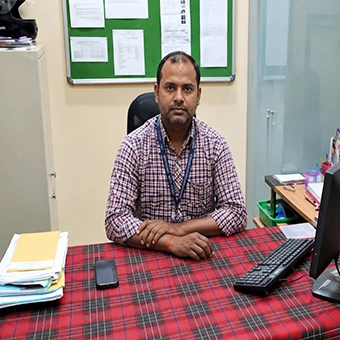
Assistant Professor, in the Department of Electronics & Telecommunication Engineering, G. H. Raisoni Institute of Engineering & Technology, Nagpur (Formerly Known as G H Raisoni Polytechnic, Nagpur). Completed his M.Tech from Bhabha Engineering Research Institute, Bhopal and Ph. D Pursuing in Electronics Telecommunication Engineering from G H Raisoni University, Amaravati.
His research interests are in the area of Photovoltaic Cell (PV Cells) to increase the efficiency of solar panel. He had published papers in these areas in the international Conferences and Journals. He is a member of the International Association of Engineers (IAENG). He is having 12 years of teaching experience. He is having 1 copyright on his name.
PEO , PO and PSO
Programme Educational Objectives
Programme Educational Objectives (PEOs) (What s/he will continue to do even after 3-5 years of working in the industry)
- PEO-1: Provide socially responsible, environment friendly solutions to Civil engineering related broad-based problems adapting professional ethics.
- PEO-2: Adapt state-of-the-art Civil engineering broad-based technologies to work in multidisciplinary work environments.
- PEO-3: Solve broad-based problems individually and as a team member communicating effectively in the world of work.
Program Outcomes
- Engineering knowledge: Apply the knowledge of mathematics, science, engineering fundamentals, and an engineering specialization to the solution of complex engineering problems.
- Problem analysis: Identify, formulate, review research literature, and analyze complex engineering problems reaching substantiated conclusions using first principles of mathematics, natural sciences, and engineering sciences.
- Design/development of solutions: Design solutions for complex engineering problems and design system components or processes that meet the specified needs with appropriate consideration for public health and safety, and cultural, societal, and environmental considerations.
- Conduct investigations of complex problems: Use research-based knowledge and research methods including design of experiments, analysis and interpretation of data, and synthesis of information to provide valid conclusions.
- Modern tool usage: Create, select, and apply appropriate techniques, resources, and modern engineering and IT tools including prediction and modeling to complex engineering activities with an understanding of their limitations.
- The engineer and society: Apply reasoning informed by contextual knowledge to assess societal, health, safety, legal, and cultural issues and the consequent responsibilities relevant to professional engineering practice.
- Environment and sustainability: Understand the impact of professional engineering solutions in societal and environmental contexts, and demonstrate knowledge of and the need for sustainable development.
- Ethics: Apply ethical principles and commit to professional ethics, responsibilities, and norms of engineering practice.
- Individual and team work: Function effectively as an individual, and as a member or leader in diverse teams and multidisciplinary settings.
- Communication: Communicate effectively on complex engineering activities with the engineering community and society at large through reports, design documentation, presentations, and clear instructions.
- Project management and finance: Demonstrate knowledge and understanding of engineering and management principles and apply them to manage projects as a member or leader in multidisciplinary environments.
- Life-long learning: Recognize the need for and demonstrate the ability to engage in independent and life-long learning in the broad context of technological change.
Programs Specific Outcomes
- PSO1 Electronics and Telecommunication Engineering Systems: Maintain various types of Electronics and Telecommunication systems.
- PSO2 EDA Tools Usage: Use EDA tools to develop simple Electronics and Telecommunication engineering related system. Skills
Labs
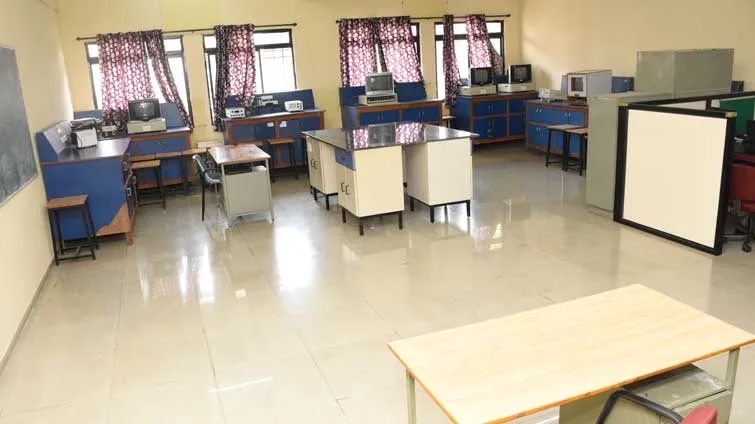
Advance Communication Lab
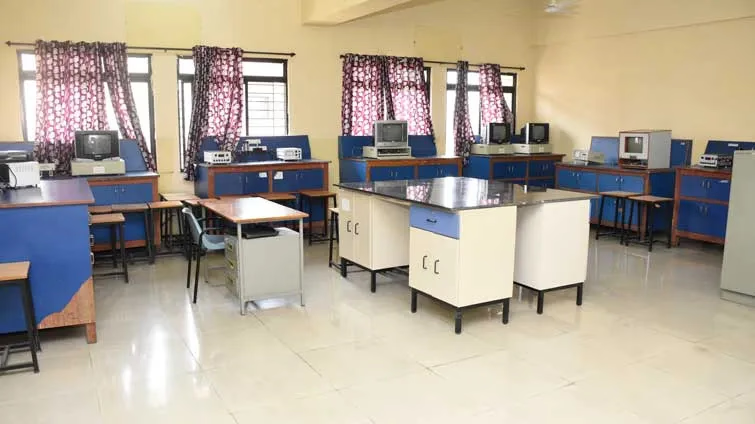
Communication Lab
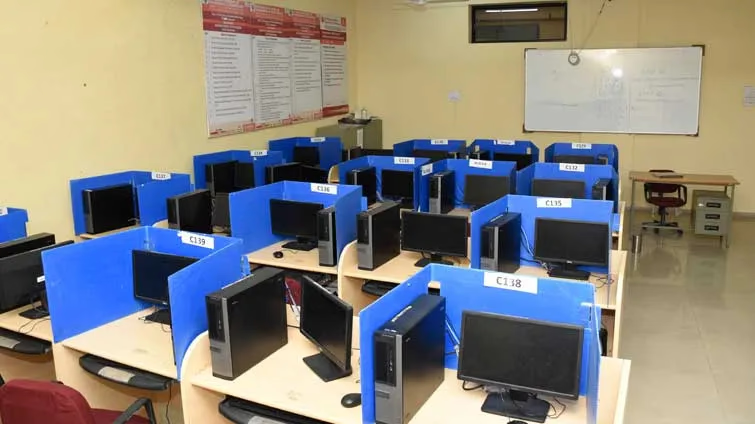
Computer Centre and Hardware Lab
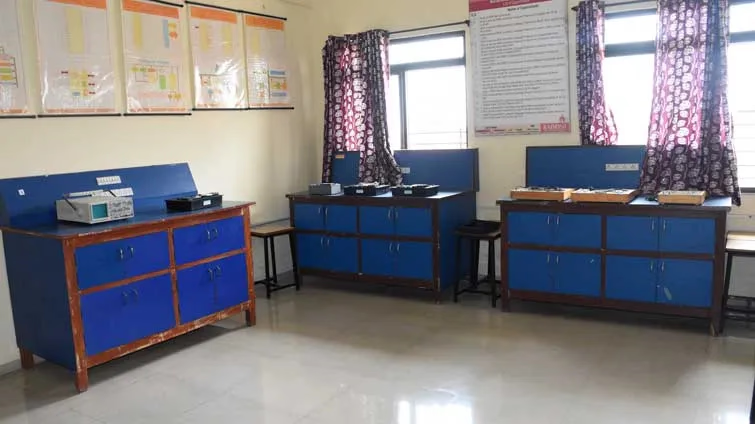
Digital and Microcontroller Lab
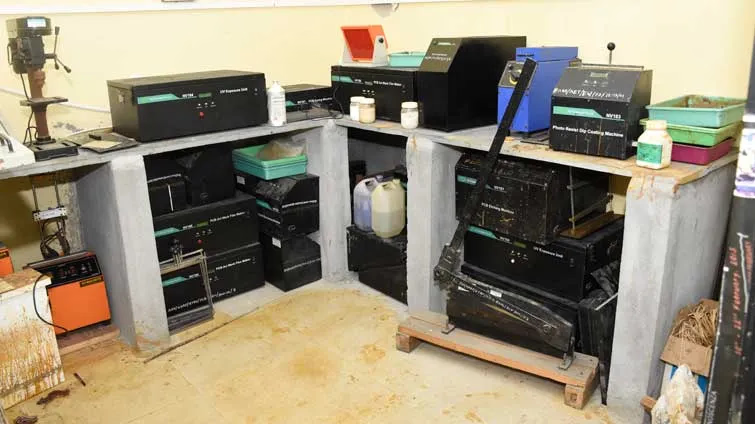
Electronics Workshop
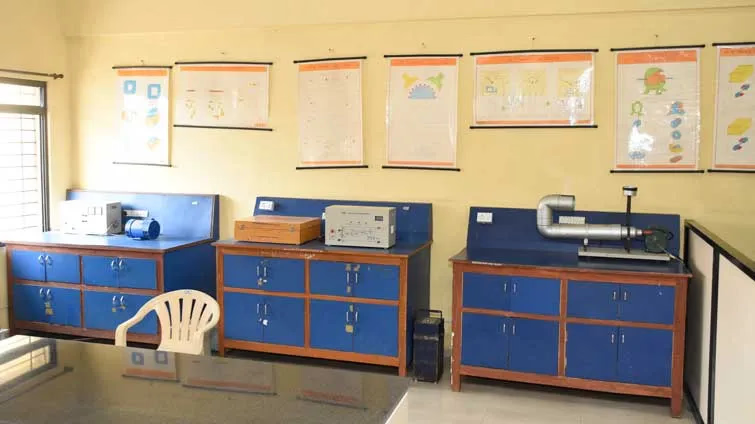
Measurement & Control Lab
GHRCEMN
Scheme & Syllabus
Academics & Department
Student Achievements
- 6 Students placed in Bajaj Auto limited in session 2019-2020
- Total 23 students were placed in various companies in session 2018-19 from the department 1.Out of 23, 16 were place in Minda Stoneridge Instrument Limited, Pune. 2.Out of 23, 7 students were placed in Yalamanchili Software Limited, Nagpur
- Total 16 students were placed in various companies in session 2017-18 from the department. 1.Out of 16 students 4 students were placed in Wipro Software Limited, Pune 2.Out of 16 students 3 students were placed in Yalamanchili Software Limited, Nagpur 3.Out of 16 students 9 students were placed in Hitachi Automotive System , Chennai.
Faculty Achievements
Newsletter And Magazines
Academic Calendar
Departmental Activities
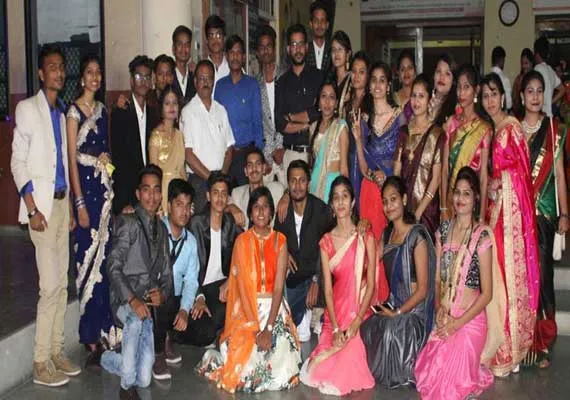
Farewell Function
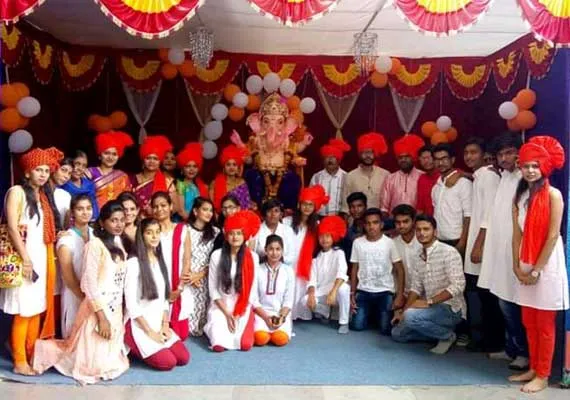
Ganesh Festival
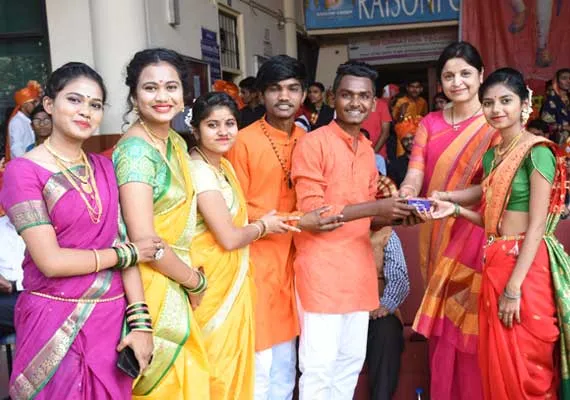
Got first prize on the eve of Shivaji Maharaj Jayanti celebration
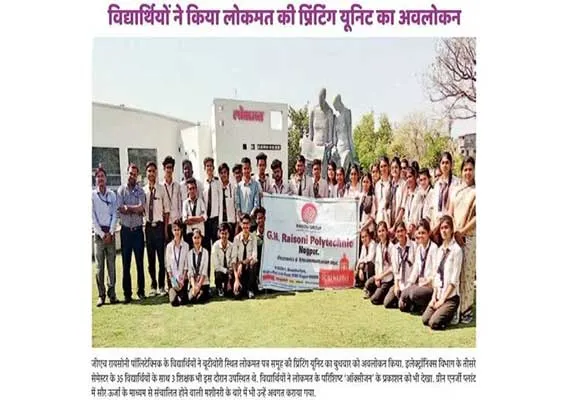
Industrial visit at lokmat
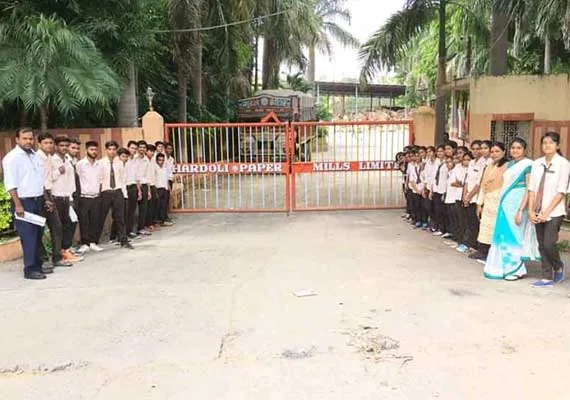
Industrial Visit at Hardoli Paper Mill
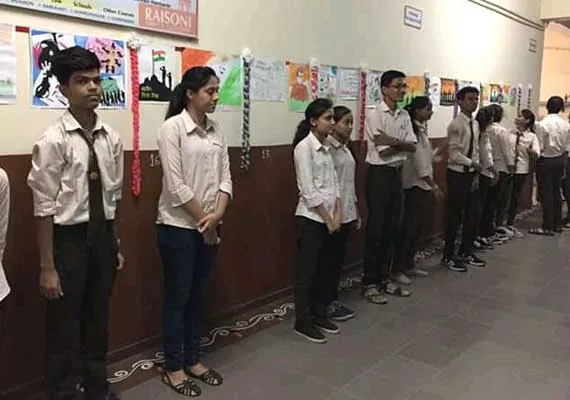
Poster Competition
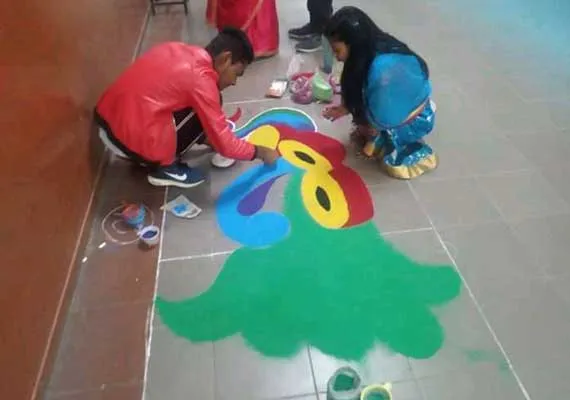
Rangoli Competition
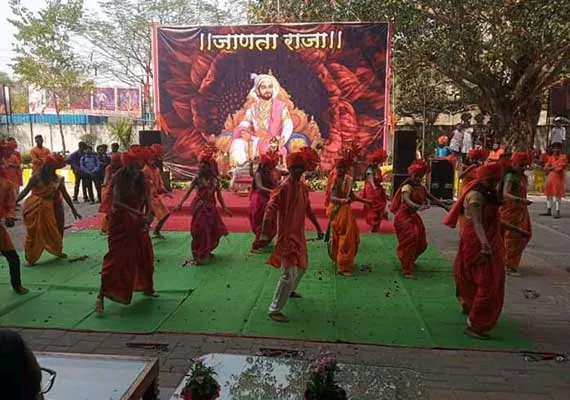
Shivaji Maharaj Jayanti celebration
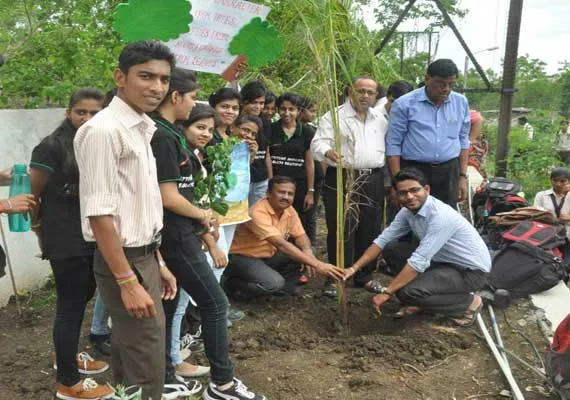
Tree Plantation
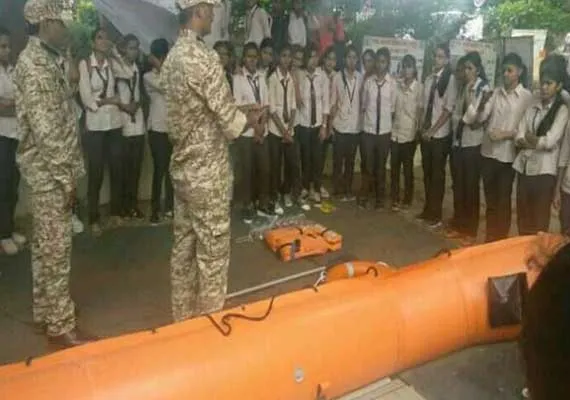
Visit to CRPF Camp
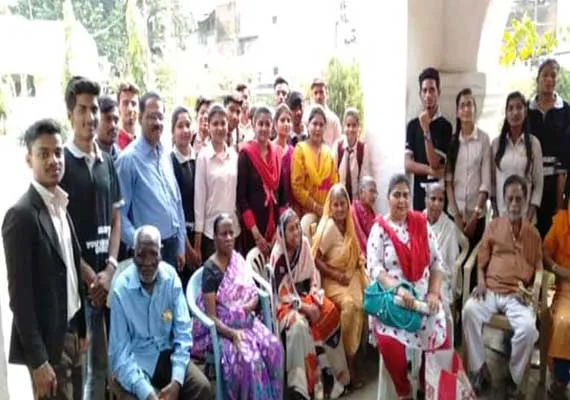
Visit to Old Aged Home on the eve of Teachers Day