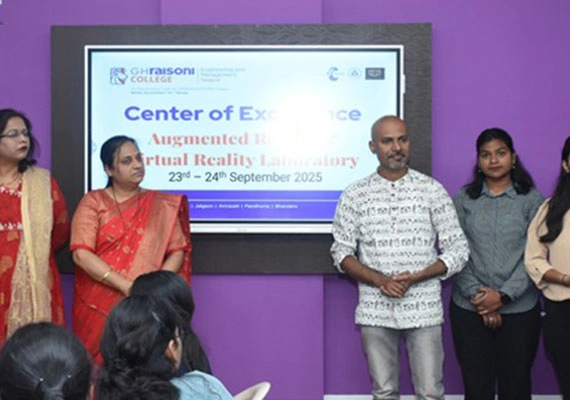
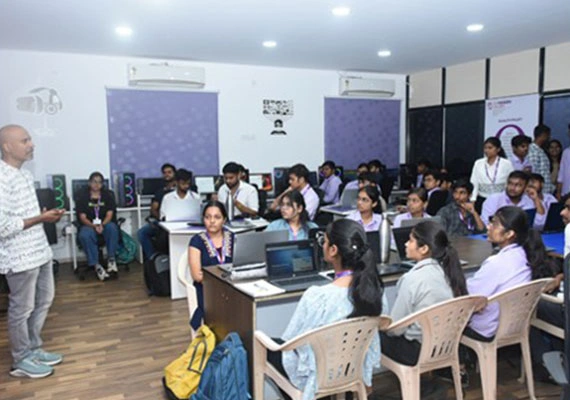
B.Tech Computer Science Department of GHRCEMN, Nagpur has well-equipped Labs with the latest necessary software and hardware. The purpose of Software Development laboratories is to provide hands-on experience about different aspects of software engineering areas which exclusively includes identification, behavioural and structural design tools, implementation and coding IDEs, databases, embedded software development tools, embedded hardware design tools, testing, and verification tools.
Build Your Career
with Electronics & Telecommunication Engineering
Undergraduate and postgraduate expertise in programming, networking, systems, data science and AI at the best Electronics & Telecommunication Engineering College in Nagpur.

About the Department
Established in 2008, the Department of Electronics & Telecommunication Engineering has been a center for excellence in teaching and research. The department offers an undergraduate program in Electronics & Telecommunication Engineering with an intake capacity of 60 students, along with a postgraduate program (MTech. in VLSI). Plans are underway to expand our research footprint by introducing a Ph.D. program in core areas of Electronics and Telecommunication Engineering. Our department is committed to holistic student development, fostering not only technical expertise but also essential professional skills. Our graduates have made successful careers as design engineers, technocrats, and innovators across diverse industries.
We emphasize continuous faculty development, encouraging participation in national and international conferences and training programs to stay abreast of technological advancements. Recognizing the pivotal role of Electronics and Telecommunication in today's information age, the department is well-prepared to meet the dynamic challenges faced by the industry. Our primary objective is to impart quality undergraduate and postgraduate education, focusing on design-oriented learning, hands-on skills, and research capabilities.
Career Opportunities: Electronics & Telecommunication Engineers are in high demand across a spectrum of domains, including Consumer Electronics, Aeronautical Systems, Biomedical Equipment, Network Engineering, Electronic Surveillance, Marine Electronics, Test & Measurement, Mobile Communication, Embedded Systems, Power Industry, Software Development, and Research & Development.
We are dedicated to shaping well-rounded professionals equipped to contribute to and drive technological innovation and societal advancement.

Vision & Mission
Our Vision
- To achieve excellent standards of quality education by keeping pace with rapidly changing technologies and create technical manpower of global standards with capabilities of accepting new challenges.
- To develop professionals to become a valuable resource for industry, possessing a sound social awareness and sense of responsibility through academic excellence in Electronics and Telecommunication Engineering.
Our Mission
- Our efforts are dedicated to impart quality and value based education to raise satisfaction level of all stakeholders. Our strength is directed to create competent professionals. Our endeavour is to provide all possible support to promote research and development activities.
- To develop the department into a multi-faceted learning environment supported by adequate facilities, infrastructure, and learning resources.
- To provide quality and value-based education to undergraduate students in the field of Electronics and Telecommunication Engineering.
- To prepare graduates for industry, higher education, and research by fostering innovation, ethical values, professional skills, and lifelong learning.
Apply Now
Highlights of the Department

Advanced labs for Communication, VLSI, Embedded Systems, Image Processing, and Wireless Technology.

Modern infrastructure
and well-equipped
research facilities

A team of highly qualified, experienced, and dedicated faculty and technical staff
Meet Our HOD
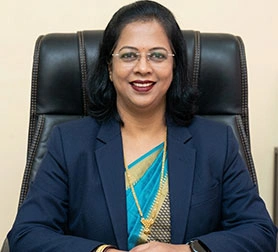
Dr. Devashree S. Marotkar
Head of Department - Electronics & Telecommunication Engineering
Dr. Devashree S. Marotkar is an accomplished academician, researcher, and academic leader currently serving as the Head of the Department of Electronics & Telecommunication Engineering. With a strong commitment to excellence in teaching, research, and institutional development, she brings a vision of innovation, collaboration, and holistic academic growth to the department. Dr. Marotkar has over 18 years of teaching experience, demonstrating her long-standing dedication to engineering education, student mentorship, and academic leadership.
Dr. Marotkar has designed and delivered a wide range of undergraduate and postgraduate courses in Electronics and Telecommunication Engineering. She consistently receives excellent feedback from students for her interactive and technology-driven teaching methodologies. Her teaching approach focuses on conceptual clarity, practical understanding, and industry relevance, enabling students to develop strong technical foundations and problem solving abilities.
Dr. Marotkar is an active researcher and has made significant contributions to the field of Electronics and Telecommunication Engineering through her research, publications, and innovations. Her major academic achievements include:
Read MoreCourse & Admission Overview
B.Tech Electronics & Telecommunication Engineering
G H Raisoni College of Engineering and Management (GHRCEM), Nagpur is a premier autonomous institution affiliated with Rashtrasant Tukadoji Maharaj Nagpur University and approved by the All-India Council for Technical Education (AICTE). We offer a robust B.Tech in Electronics & Telecommunication Engineering (E&TC), a four-year undergraduate program structured into eight semesters.
Why Choose GHRCEM for B.Tech E&TC?
- Reputation: GHRCEM stands among the top electronics and telecommunication engineering colleges in Nagpur, recognized for academic excellence and innovation.
- Accreditations: The college holds accreditations from AICTE and is recognized for maintaining high educational standards.
- Dedicated Faculty: Courses are taught by highly qualified, experienced, and committed faculty members.
- Modern Infrastructure: State-of-the-art laboratories, comprehensive libraries, and Wi-Fi enabled campus support holistic learning and research.
Course Details
- Duration: 4 years (8 semesters)
- Degree Awarded: Bachelor of Engineering (B. Tech) in Electronics & Telecommunication Engineering
- Affiliation: Rashtrasant Tukadoji Maharaj Nagpur University
- Accreditation: AICTE approved, autonomous status
Eligibility Criteria
- Passed 10+2 (HSC) or equivalent examination from any recognized board/university, with Physics and Mathematics as compulsory subjects, and one of Chemistry, Biotechnology, Biology, or Technical Vocational subjects.
- Minimum 50% aggregate marks (45% for candidates from reserved categories).
- Admission is based on valid scores from entrance exams such as JEE Main or state-level tests (MHT-CET).
Admission Process
- Admissions are conducted through centralized counseling on the basis of entrance exam scores.
- The application process is fully online.
Placement Opportunities
- GHRCEM boasts a dedicated Training and Placement Cell actively bridging students with leading recruiters.
- Over 200 companies participate in campus placements, including major industry names.
- Comprehensive training activities enhance employability skills, with a strong record of placing eligible students.
Career Prospects
Graduates of B.Tech E&TC can build careers in domains such as:
- Consumer Electronics
- Telecommunication Equipment & Network Engineering
- Embedded Systems and VLSI Design
- Mobile Communications
- Research & Development
Programme Educational Objectives
- PEO-I: Preparation: Prepare graduates to provide a conducive learning environment that promotes the spirit of entrepreneurship in different zones of Electronics & Telecommunication Engineering with high proficiency, good cost efficiency which will prove to be an asset in the technical sector
- PEO-II: Core Competence: Prepare graduates for work in core/other industries who are socially capable and incorporated with proficient and moral abilities
- PEO-III: Breadth: Prepare graduates to show polished methodology, moral demeanour, correspondence and administrative aptitudes, cooperation and social obligation in their calling and adjust to current patterns by participating in deep rooted learning
Program Outcomes
- 1. Engineering knowledge: Apply the knowledge of mathematics, science, engineering fundamentals, and an engineering specialization to the solution of complex engineering problems.
- 2. Problem analysis:Identify, formulate, review research literature, and analyze complex engineering problems reaching substantiated conclusions using first principles of mathematics, natural sciences, and engineering sciences.
- 3. Design/development of solutions: Design solutions for complex engineering problems and design system components or processes that meet the specified needs with appropriate consideration for the public health and safety, and the cultural, societal, and environmental considerations.
- 4. Conduct investigations of complex problems: Use research-based knowledge and research methods including design of experiments, analysis and interpretation of data, and synthesis of information to provide valid conclusions.
- 5. Modern tool usage: Create, select, and apply appropriate techniques, resources, and modern engineering and IT tools including prediction and modeling to complex engineering activities with an understanding of the limitations.
- 6. The engineer and society: Apply reasoning informed by contextual knowledge to assess societal, health, safety, legal and cultural issues and the consequent responsibilities relevant to professional engineering practice.
- 7. Environment and sustainability: Understand the impact of professional engineering solutions in societal and environmental contexts, and demonstrate knowledge of, and need for, sustainable development.
- 8. Ethics: Apply ethical principles and commit to professional ethics and responsibilities and norms of engineering practice.
- 9. Individual and team work: Function effectively as an individual, and as a member or leader in diverse teams, and in multidisciplinary settings.
- 10. Communication: Communicate effectively on complex engineering activities with the engineering community and with society at large, such as being able to comprehend and write effective reports and design documentation, make effective presentations, and give and receive clear instructions.
- 11. Project management and finance: Demonstrate knowledge and understanding of engineering and management principles and apply these to one's own work, as a member and leader in a team, to manage projects and in multidisciplinary environments.
- 12. Life-long learning: Recognize the need for, and have the preparation and ability to engage in, independent and life-long learning in the broadest context of technological change.
Program Specific Outcomes
- PSO1: Apply ideas for test, design, execute and analyse frameworks in the zones identified with Electronics & Telecommunication Engineering for Industry and Society.
- PSO2:Apply technical knowledge and hands-on capability in solving issues of Electrical Machines, Power Systems, Control and Power Electronics.
- PSO3: Showcase the skills and abilities to understand the technological advancements using modern tools for higher education, research, and individually and solving engineering problems through team work using professional ethics.
Labs
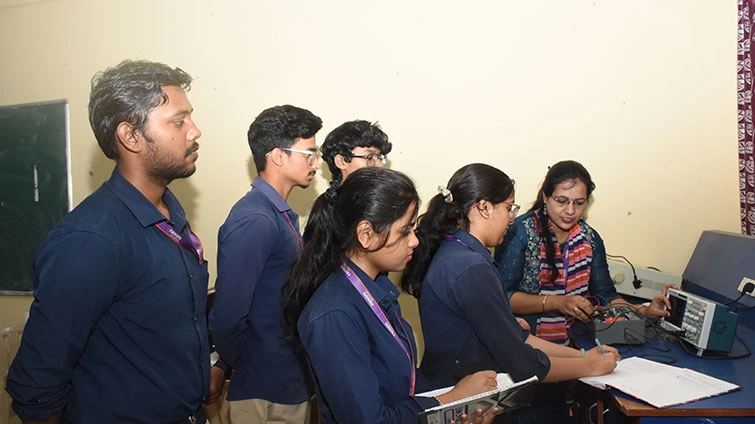
ANALOG ELECTRONICS LABs
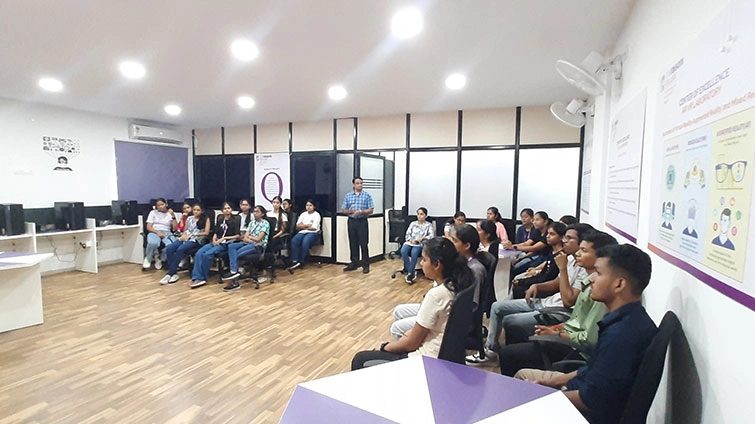
AR-VR LAB
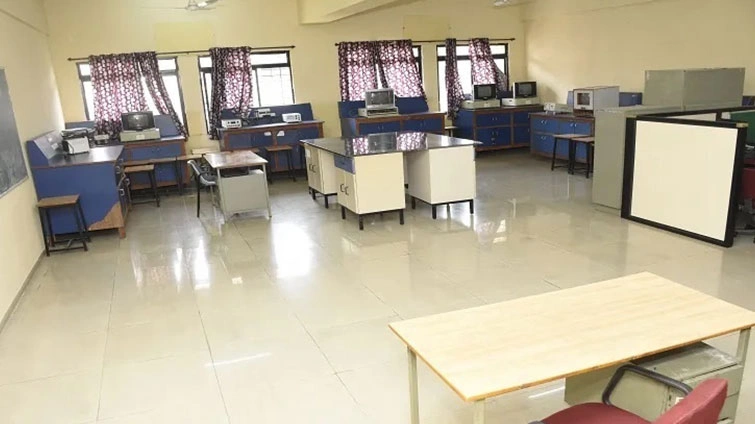
BIOMEDICAL ENGINEERING LAB & MICROWAVE ENGINEERING LAB
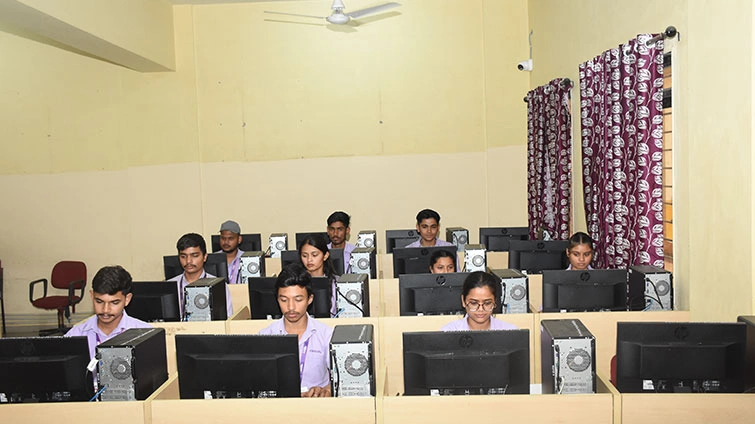
DIGITAL COMMUNICATION & VLSI LAB
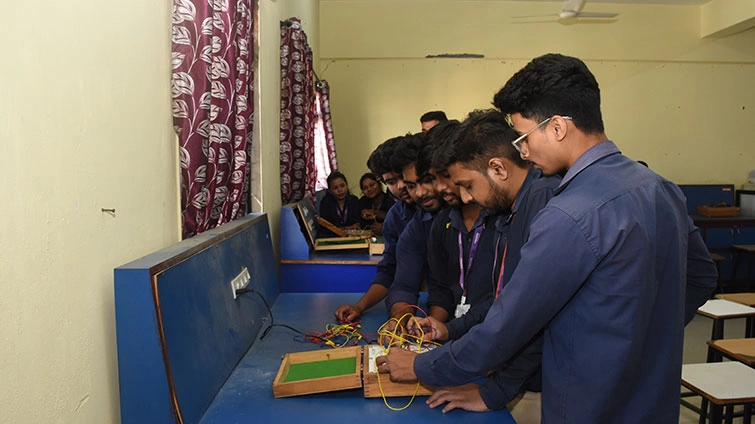
DIGITAL ELECTRONICS LAB
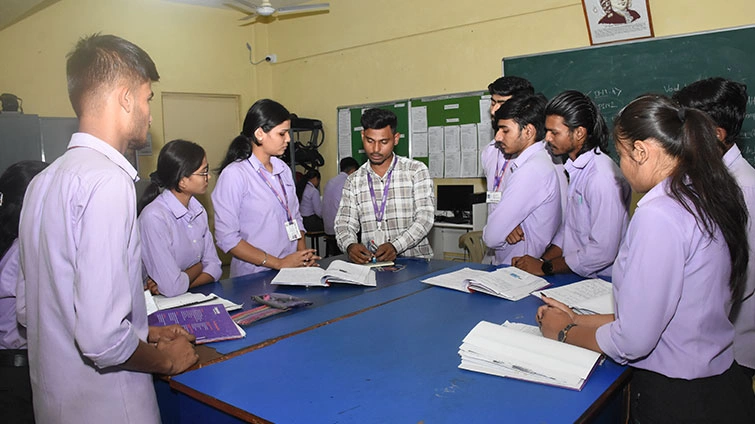
DRONE & ROBOTICS LAB
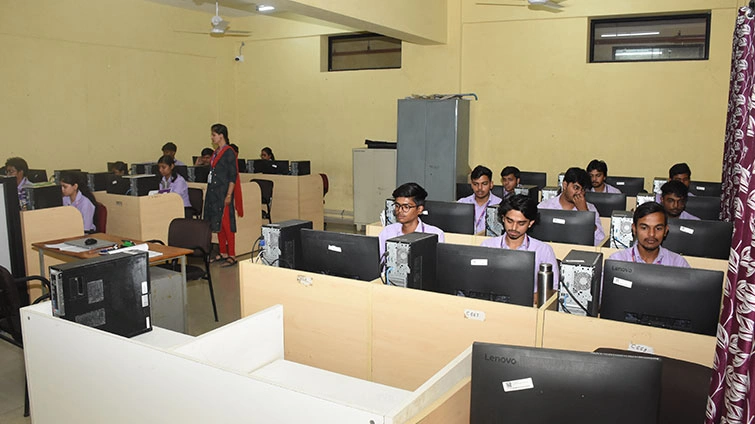
EMBEDDED SYSTEM LAB
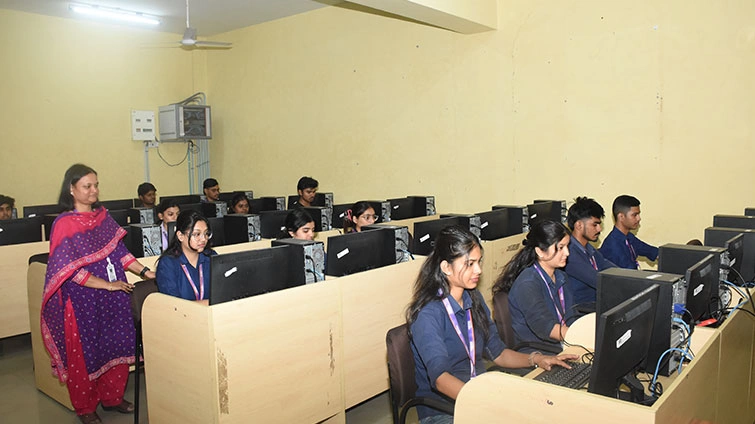
IOT & DIGITAL SIGNAL PROCESSING LAB
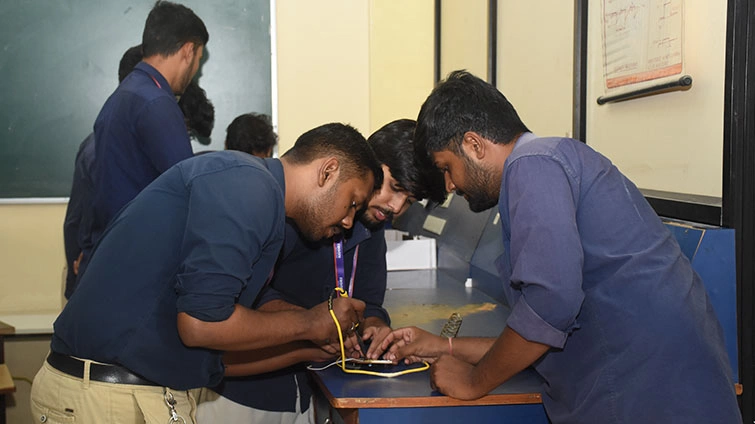
PROJECT LAB
Scheme & Syllabus
Academics & Department
Faculty List
Student Achievements
Faculty Achievements
Academic Calendar
Newsletter And Magazines
E-Content

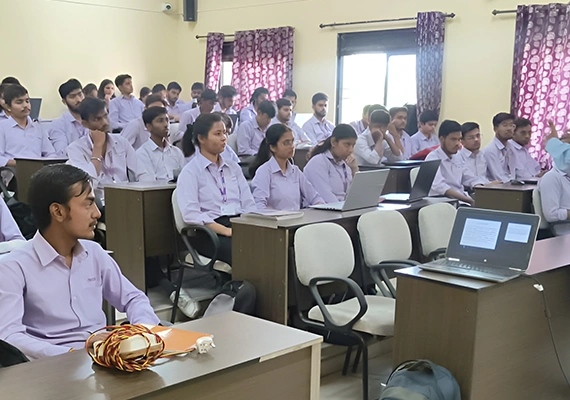
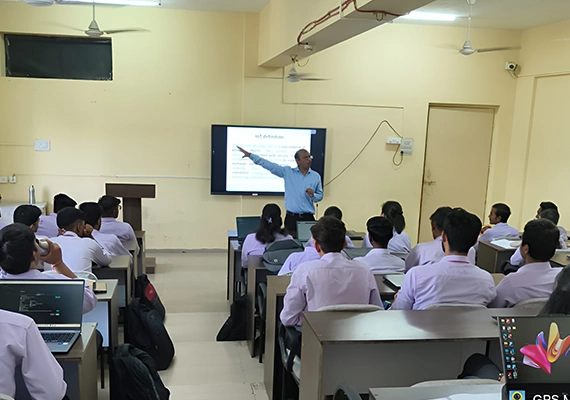
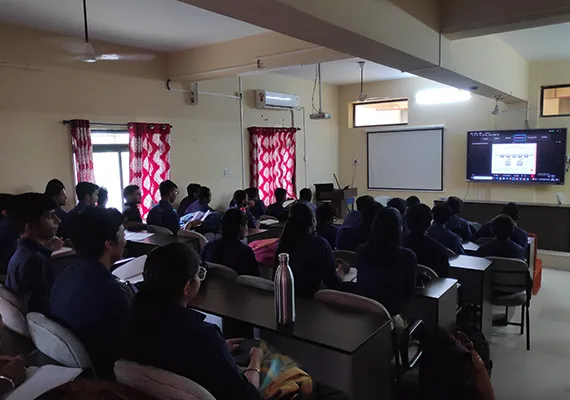
Departmental Activities
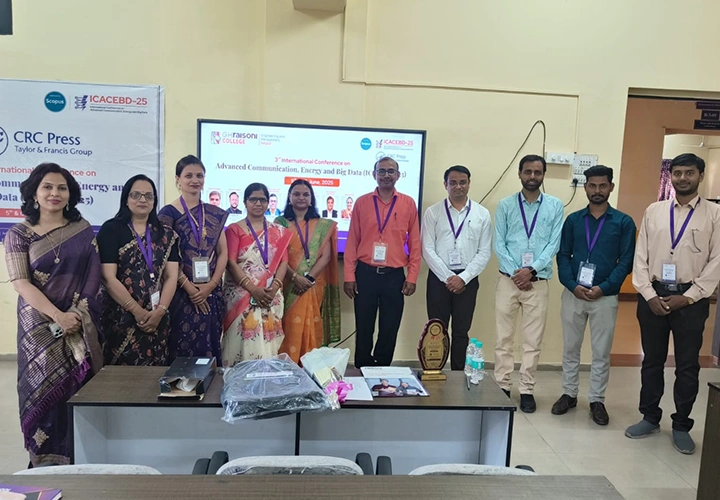
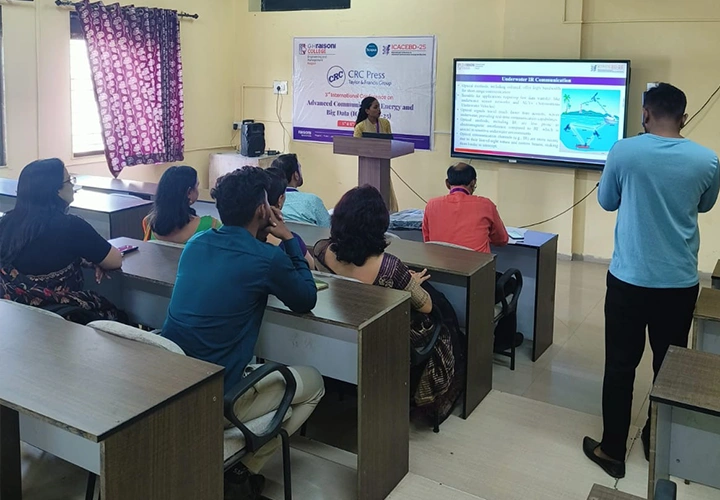
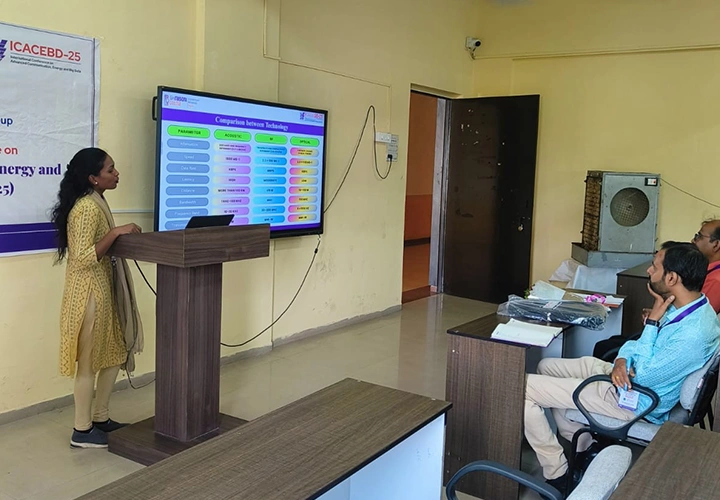
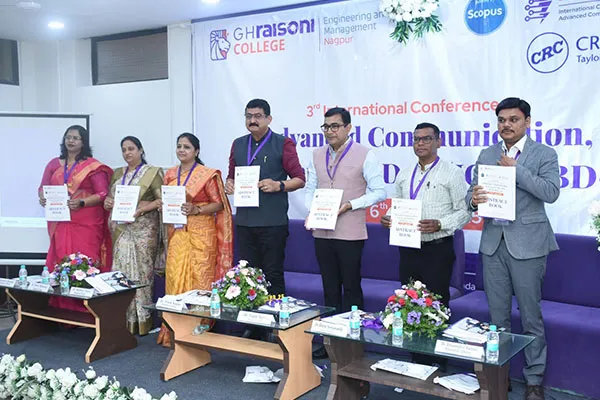
ICACEBD-25
Expert Lecture
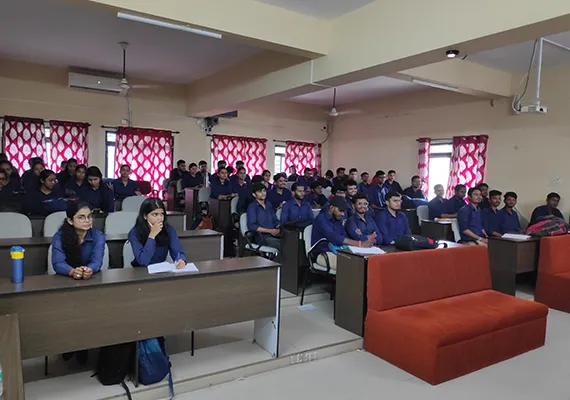
Industrial Visit
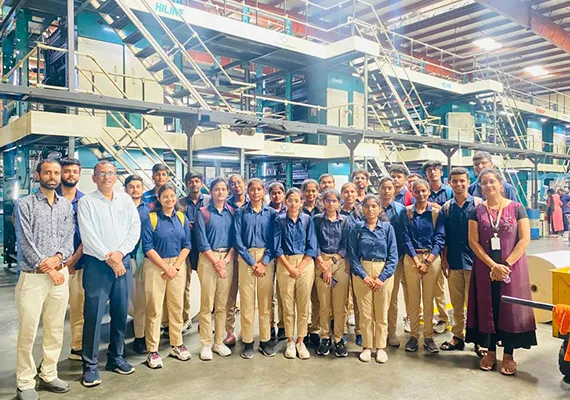
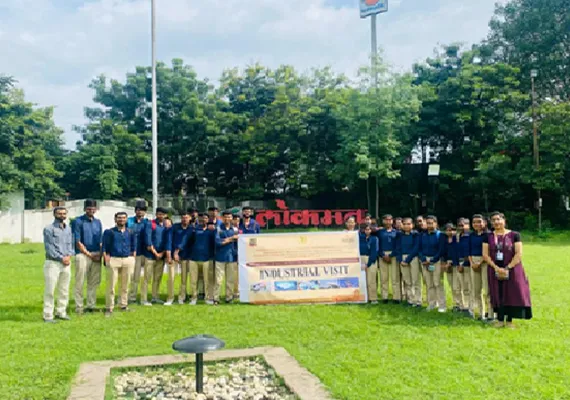
Master Atl Training
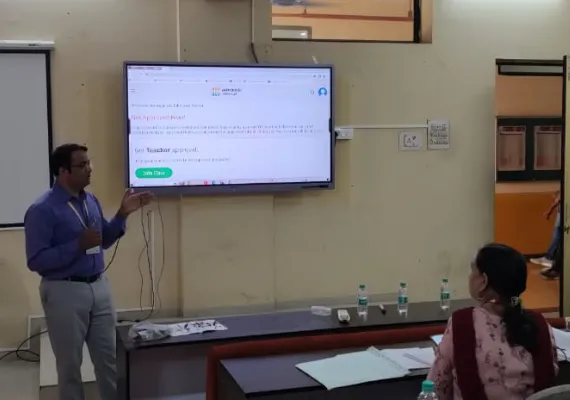
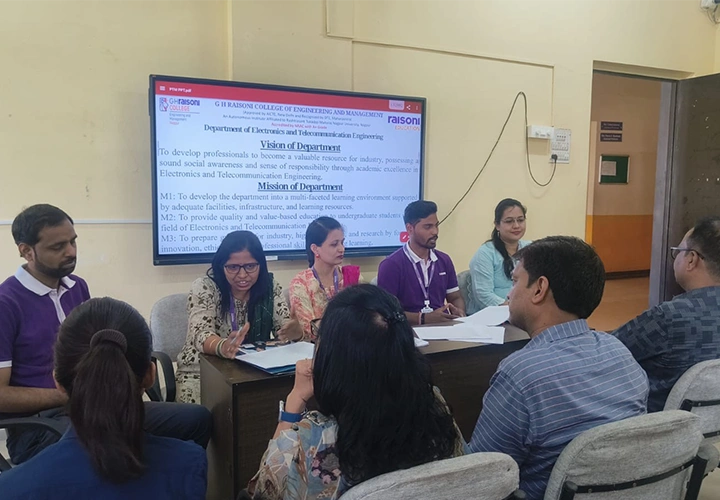
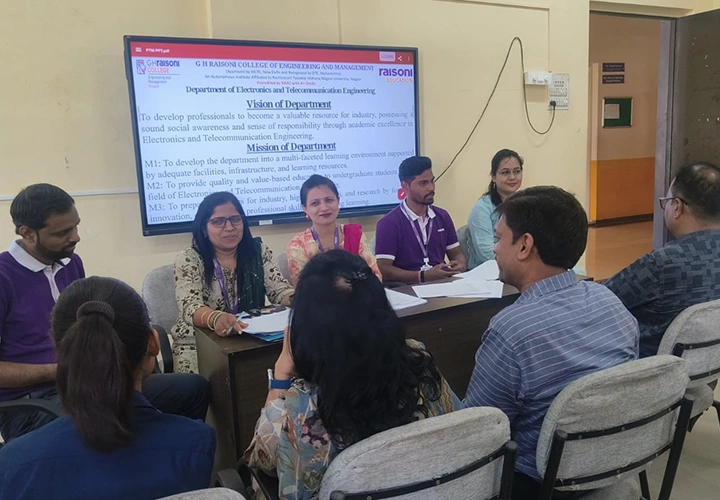
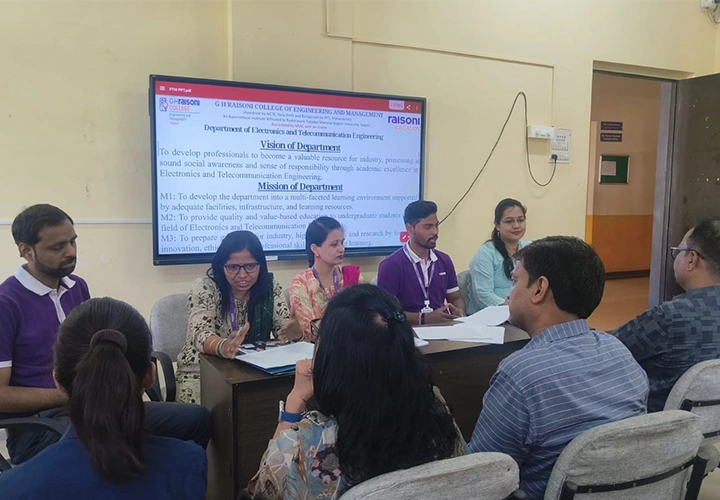
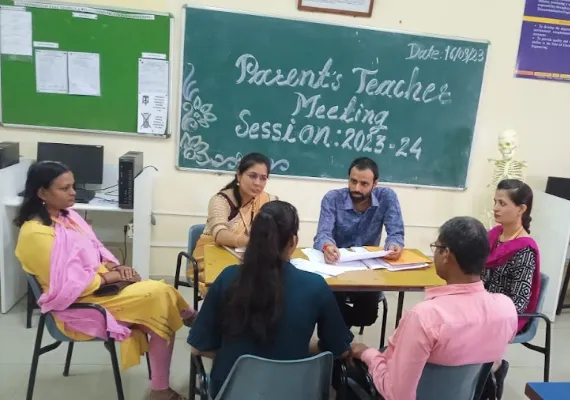
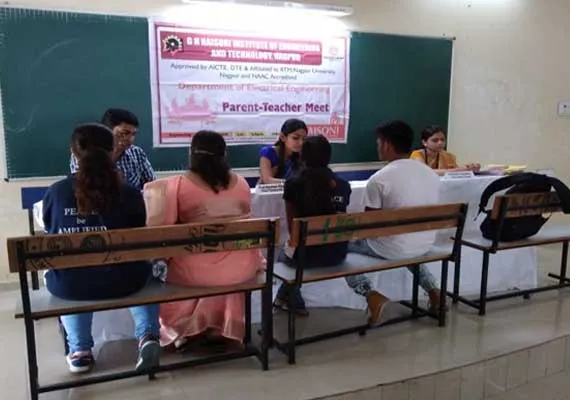
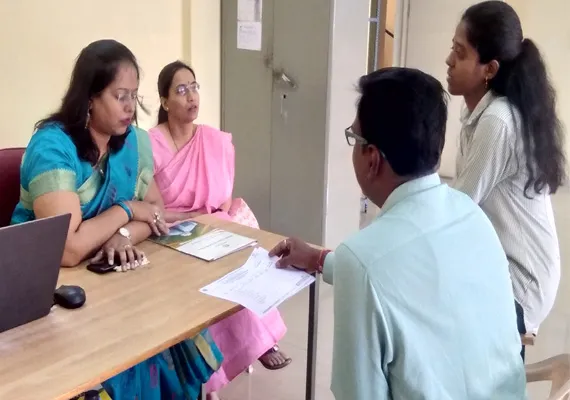
Parents Teacher Meet
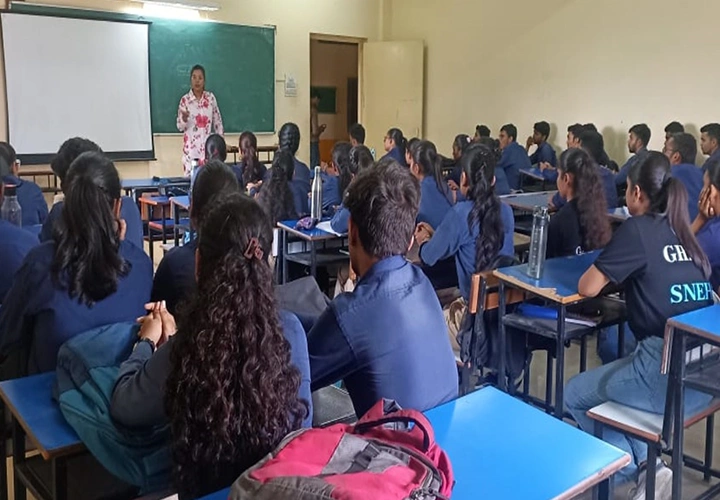
Alumni Interaction
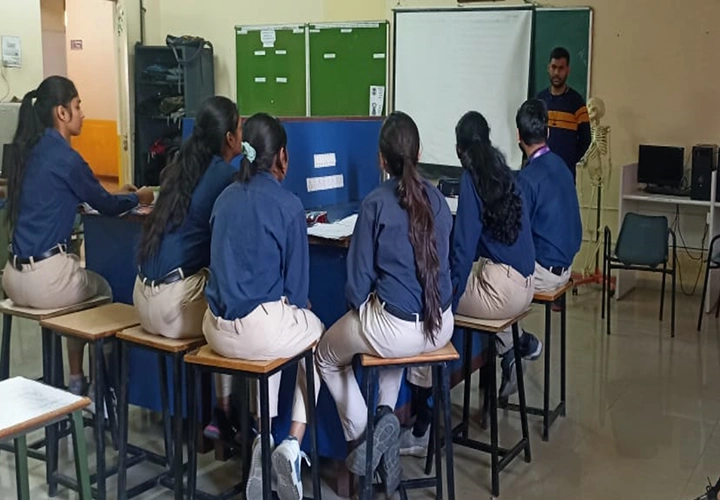
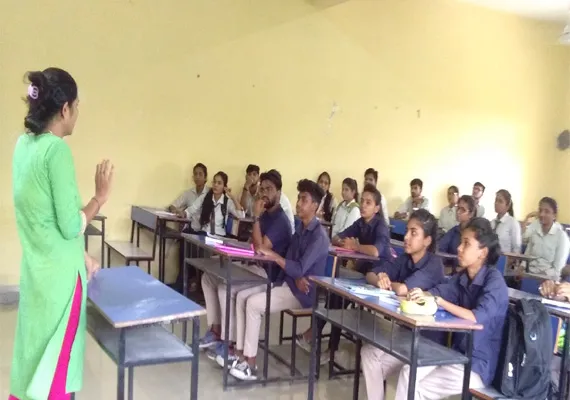
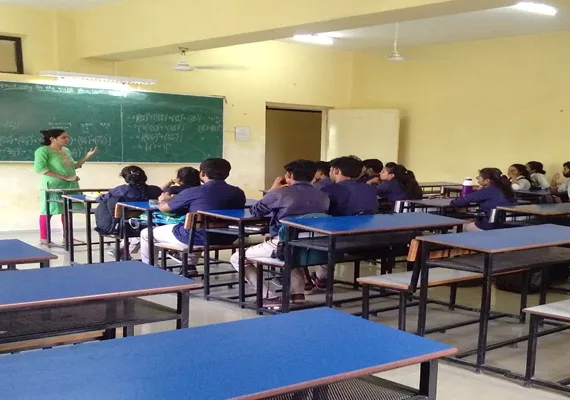
ISR Activity
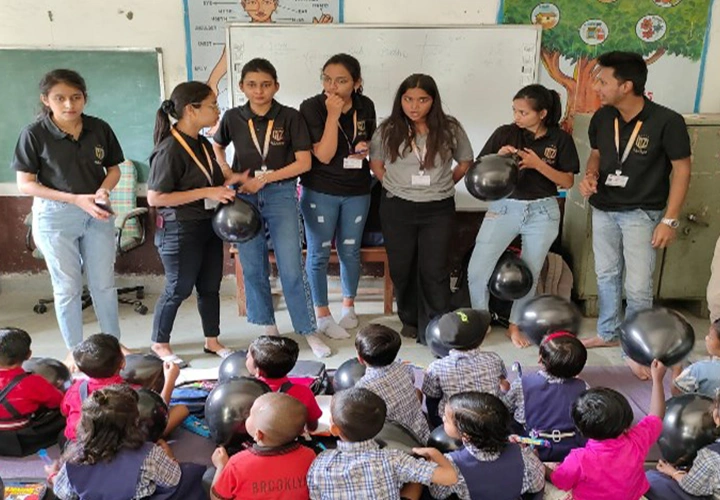
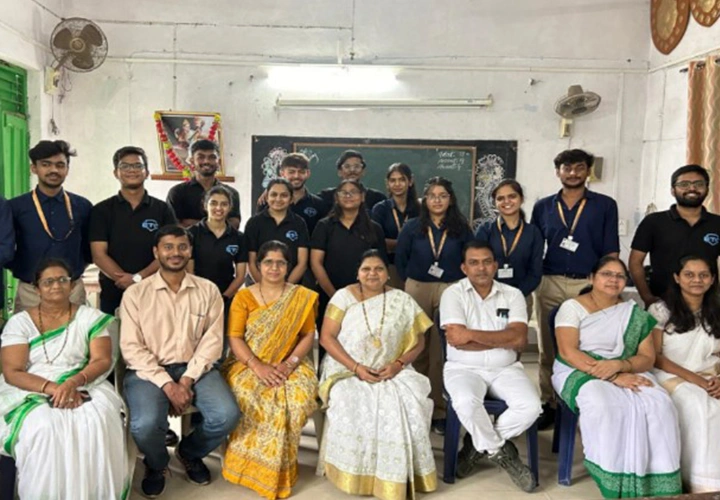
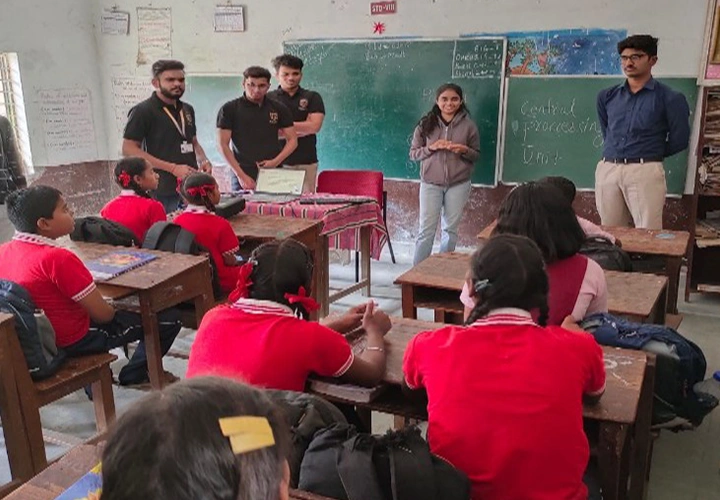
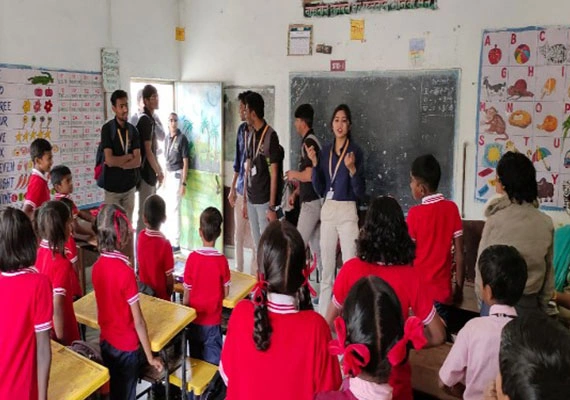
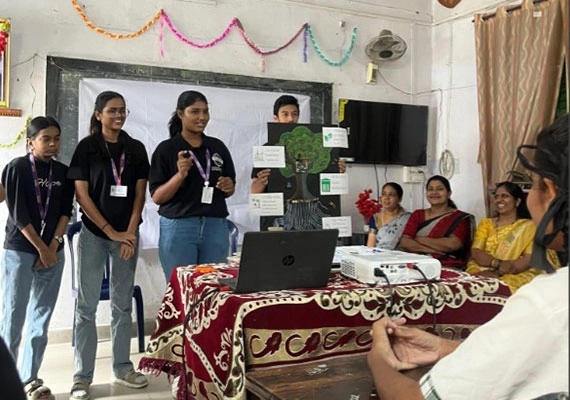
Students Forum-HEARTZ
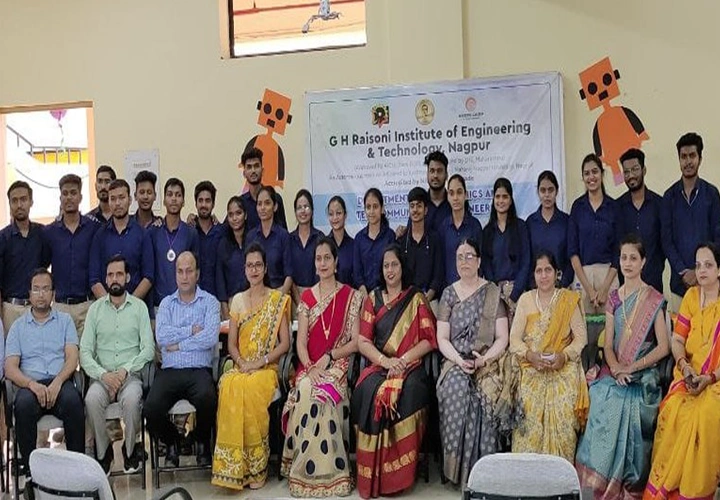
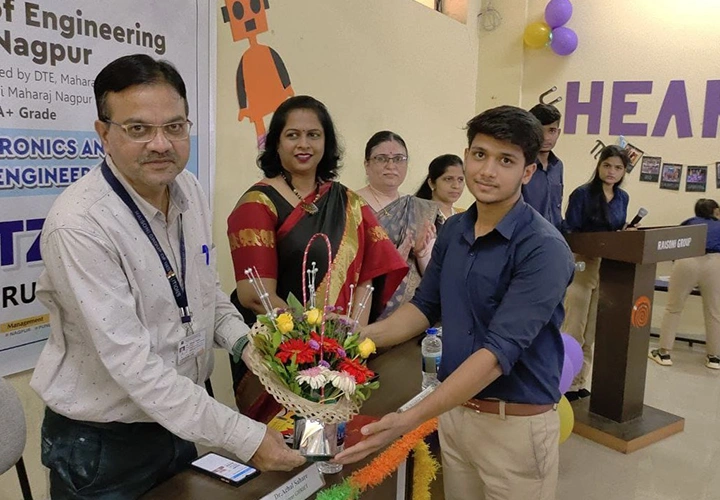
Peer Teaching
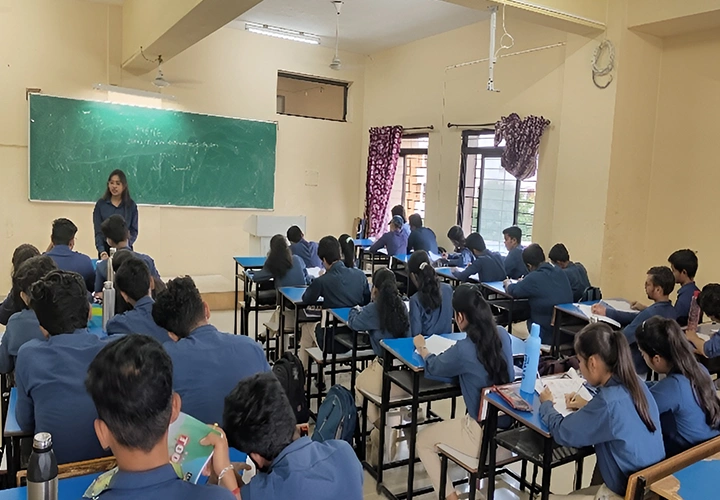
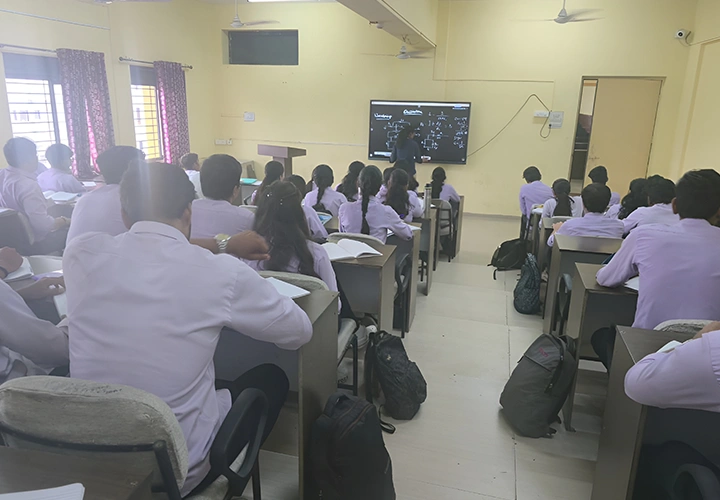
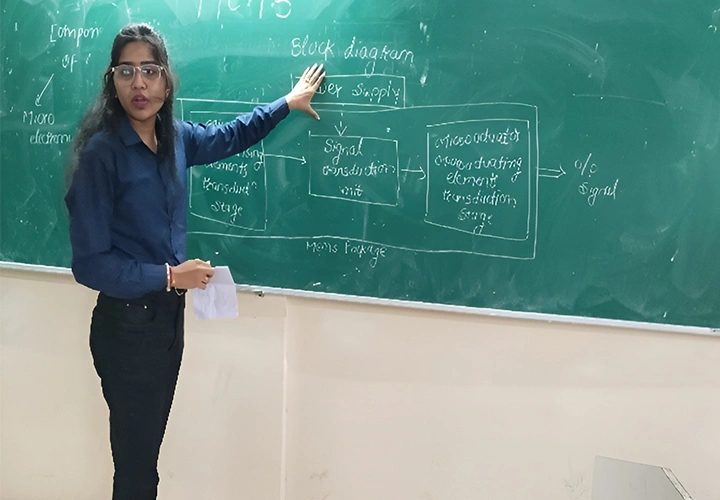
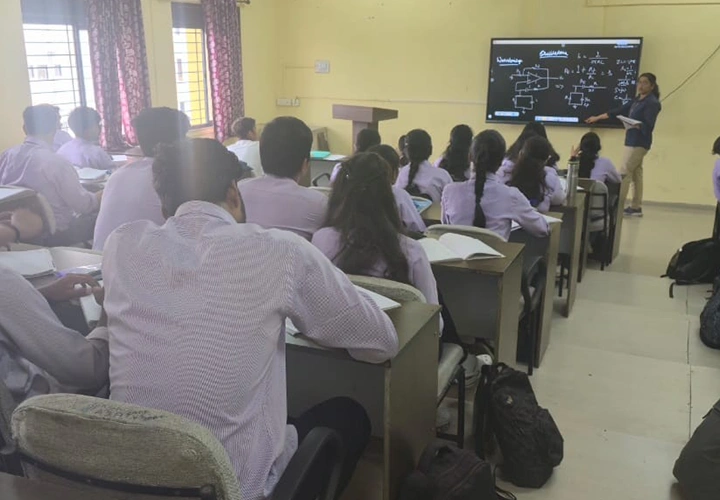
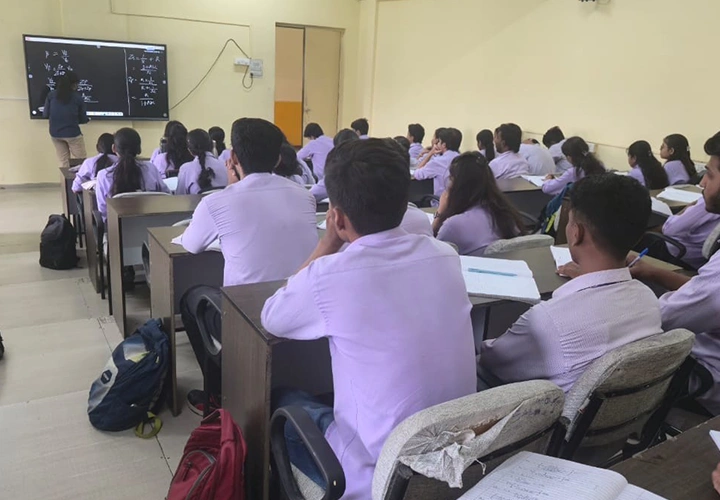
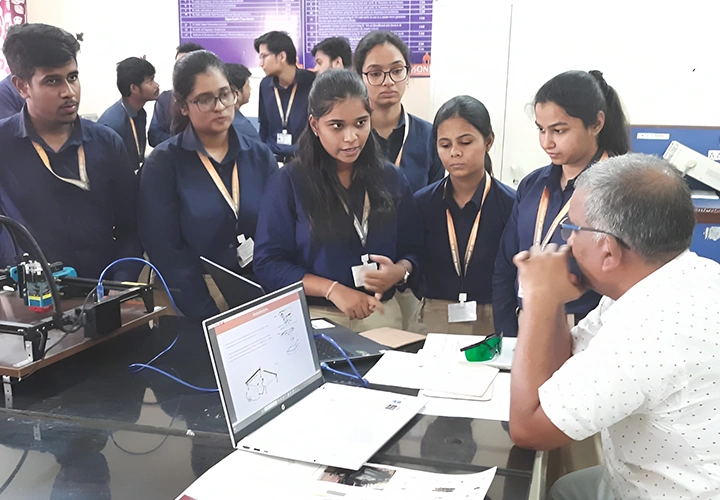
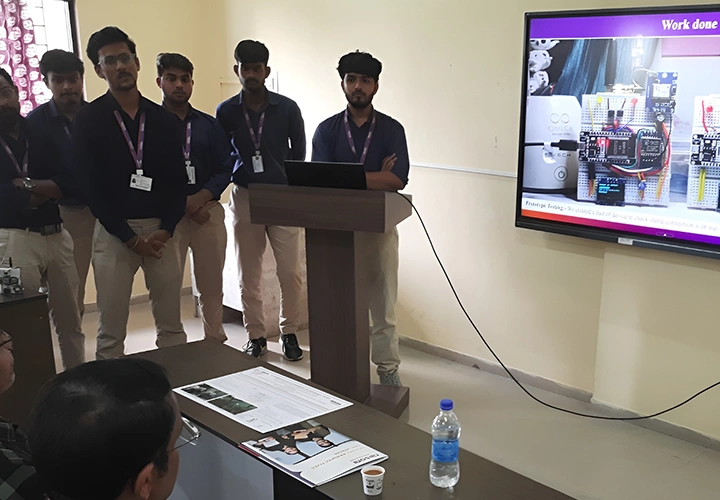
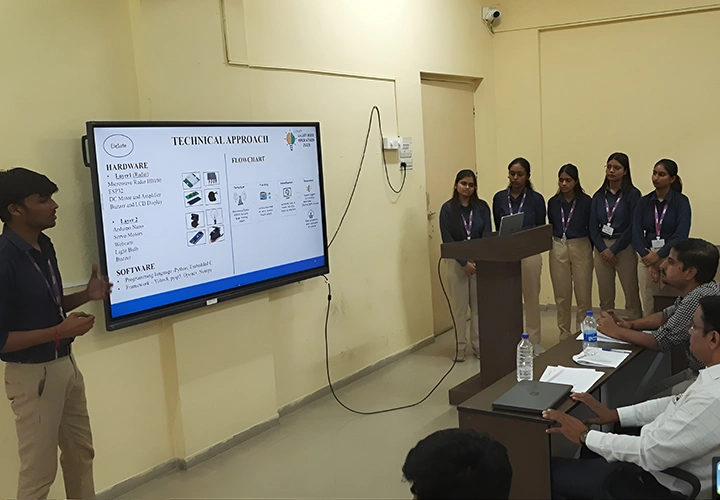
Project Seminar
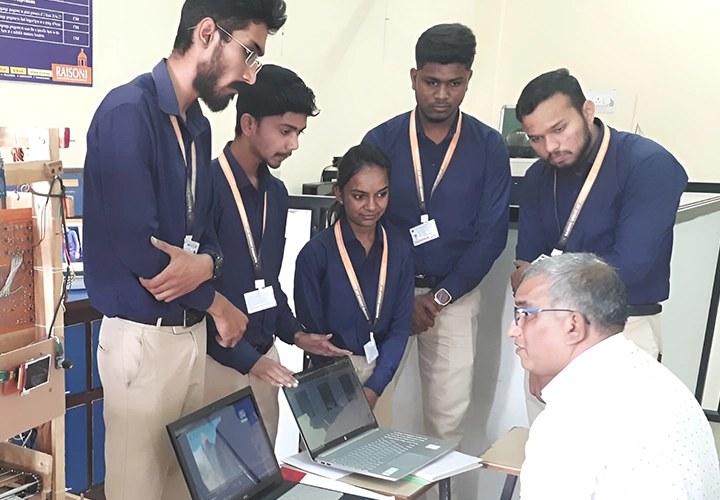
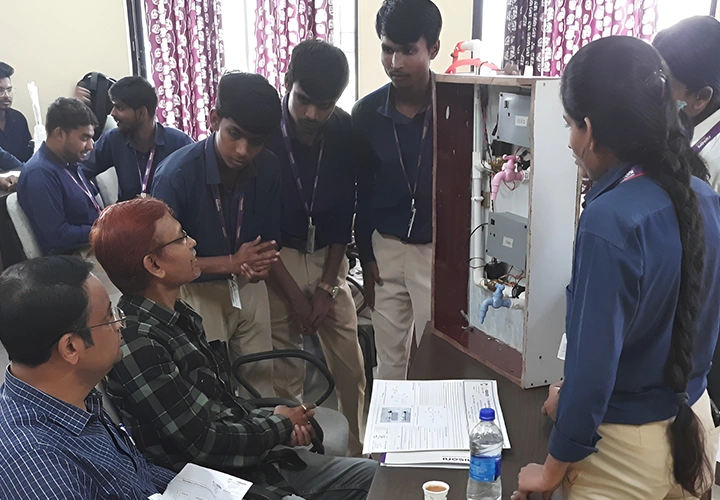
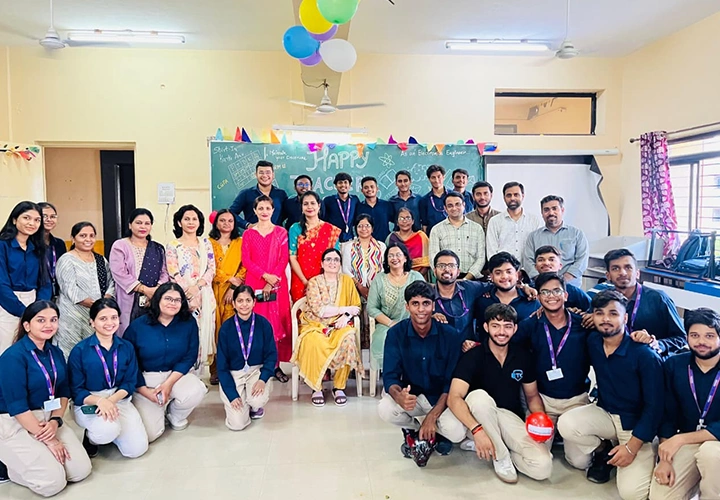
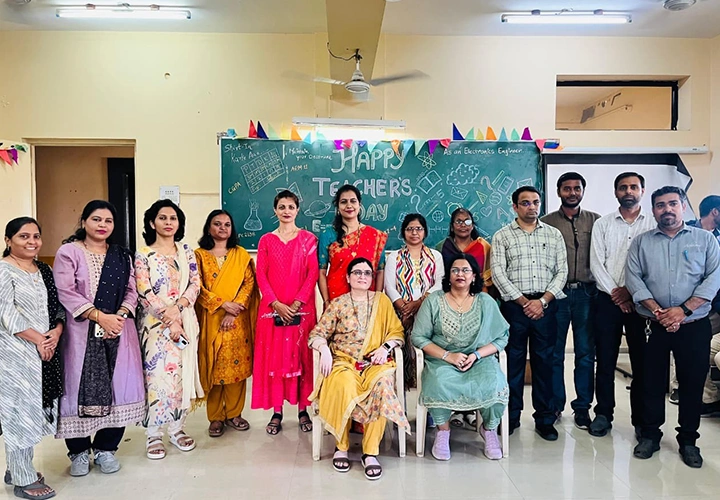
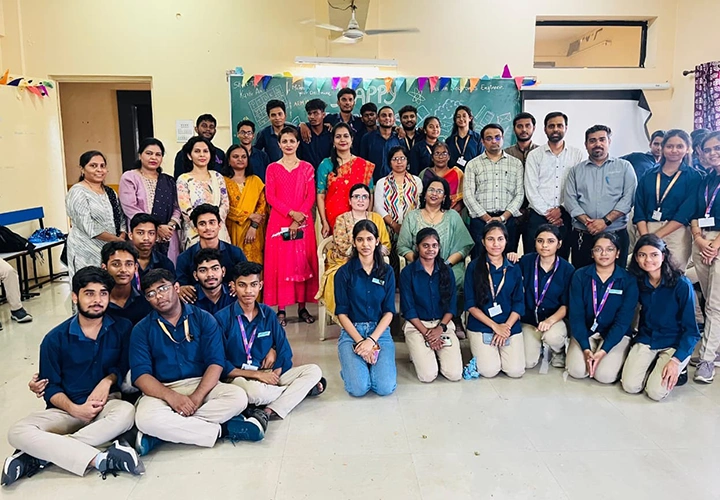
Teacher's Day
AR VR Workshop