B.Tech Computer Science Department of GHRCEMN, Nagpur has well-equipped Labs with the latest necessary software and hardware. The purpose of Software Development laboratories is to provide hands-on experience about different aspects of software engineering areas which exclusively includes identification, behavioural and structural design tools, implementation and coding IDEs, databases, embedded software development tools, embedded hardware design tools, testing, and verification tools.
Build Your Career with
Electrical Engineering
Undergraduate and postgraduate expertise in programming, networking, systems, data science and AI at the best Electrical Engineering College in Nagpur.

About the Department
The Department of Electrical Engineering was established in 2009. Currently, it offers a 4-year Under-Graduate program, B. Tech. in Electrical Engineering with a sanctioned intake of 60. The objective of the Department is to impart Quality Education and Competitive Training that can make students as Professional Engineers who are ready to meet the needs of the industry as well as society and adapt to the rapidly changing technology in various areas of Electrical Engineering.
The Department has well-qualified and experienced faculty members with specialization in Electrical Machines & Drives, Power Electronics, Power System, Control Systems, Electric vehicles and Renewable Energy. The Department has dedicated laboratories for academic and research activities. It provides the students with in-depth knowledge in fundamentals and practical applications in Electrical Engineering so that they can pursue their career opportunities.
The Department conducts various Skill Training programs, Workshops, Seminars, and Conferences and also invites renowned academicians from IITs, NITs, IISC & industrial experts to share their knowledge with the Students and Faculty for updating with the latest developments in Electrical Engineering. Department also encourages students to participate in State and National Level project competitions like TECHFEST, DIPEX, etc.

Vision & Mission
Our Vision
- To produce capable graduate engineers with an aptitude and quality for research and leadership.
Our Mission
- To enhance career opportunities for the Electrical students through industrial exposure and promote interaction among industry, faculty, and students.
- To inculcate sensitivity toward society and responsibility towards the environment.
- To achieve excellence in learning and research through continual improvement in both content and delivery of the academic programs.
- To provide opportunities and ensure regular skill upgradation of faculty, staff, and students through training programs.
Apply Now
Highlights of the Department

Electrical Engineering graduates can build careers in government, PSUs, private industries, and MNCs.

Government Organizations: MSPGCL, MSETCL, MSEDCL, PWD, MMRDA, Indian Railways

Public sector undertakings: NTPC, BHEL, PGCIL, ONGC, GAIL, IOCL

ABB, Siemens, L&T, Tata Power, Adani, Schneider Electric, Ola Electric, Reliance Power.
IT and Tech Firms: TCS, Infosys, Capgemini, Accenture, persistent systems and many More
Meet Our HOD
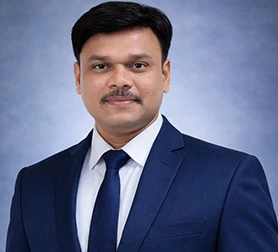
Dr. Bhupendra Kumar is a distinguished academician, researcher, and administrator with over 12 years of impactful experience in Electrical Engineering education and leadership. Currently serving as Head of Department and Associate Professor, he has been instrumental in driving academic excellence through the successful implementation of Outcome-Based Education (OBE) frameworks and NEP 2020-aligned curriculum reforms.
He has made substantial research contributions with 20+ publications in reputed SCI/Scopus-indexed journals, along with a CRC Press book chapter, focusing on advanced power system protection. His research work, particularly in Synchrophasor-based protection, AI/ML-driven fault detection, and FACTS-integrated transmission systems, addresses critical challenges in modern smart grids and resilient power networks. He also holds 2 published patents and 2 copyrights, demonstrating innovation and translational research impact. His academic influence extends globally through his role as a reviewer for 10+ reputed international journals, including IEEE Transactions, Taylor and Francis, Springer, Wiley and Elsevier publications, reinforcing his strong research credibility. He has actively contributed to knowledge dissemination by presenting papers at 9+ national and international conferences, while also organizing 2 international conferences, enhancing the institute's research visibility at global platforms.
Read MoreCourse & Admission Overview
B.Tech Electrical Engineering
Electrical Engineering is one of the core branches of Engineering. Bursting onto the scene in the late 19th century, Electrical Engineering is one of the major pillars of technology advancements in this century.G H Raisoni College of Engineering and Management, Nagpur established the Department of Electrical Engineering in 2009. GHRCEM offers a 4-year Undergraduate B.Tech. programme in Electrical Engineering. GHRCEM is among one of the best Engineering colleges in Nagpur.
Electrical Engineering is the study of electrical energy, its components, devices, and systems. The B.Tech. in Electrical Engineering program provides students with practical knowledge of electrical systems while developing problem-solving skills and technical expertise.
The department focuses on quality education through experienced faculty, modern laboratories, and strong industry interaction, preparing students for successful careers in the electrical engineering field.
GHRCEM is equipped with state-of-the-art laboratories and excellent industry connections that help develop industry-ready graduates with the knowledge and skills required to excel in the profession.
The Department of Electrical Engineering is led by Dr. Bhupendra Kumar, an experienced academician with 13 years of teaching experience and 22 research publications in reputed international journals and conferences.
Apply for the B.Tech EE Course
GHRCEMN, one of the best Engineering college in Nagpur offers a B.Tech. Electrical Engineering program for undergraduate students.
| Program Level | Name of Course | Course Type | Medium of Instruction | Sanctioned Intake |
|---|---|---|---|---|
| UG | Electrical Engineering | Regular | English | 60 |
B. Tech. Electrical Engineering Eligibility
B.Tech. Electrical Engineering eligibility criteria vary depending on the candidate. The cutoff is not uniform and depends on the overall performance of the candidates that appeared for the MHT CET and/or JEE in that cycle. Every candidate must pass their 12th board exam with a minimum of 50% (45% for reserved categories). Several centralized rounds determine the colleges of the candidate depending on their rank, availability of seats and preferences.
| Name of the Course | Duration | Minimum Eligibility | Entrance Exams | Admission Process | Lateral Entry Option in B.Tech. Electrical Engineering |
|---|---|---|---|---|---|
| B.Tech Electrical Engineering | 4 Years | 12th PCM with 50% Marks (45% for Reserved Categories) | JEE Main, JEE Advanced, MHT CET | Entrance Exam Based, Centralized Counselling, Direct Admission | Passing the Diploma in Electrical Engineering makes a candidate eligible for Lateral Entry into the 2nd Year. |
Placement
One thing that you won't have to worry about at GHRCEMN Nagpur is placements. We have a dedicated training and placement cell that helps students, as well as recruiters, find the best match for each other. When it comes to Electrical Engineering, some students wish to pursue jobs at the heart of their field while some wish to diversify and learn something new. We at GHRCEMN understand these emotions and help fulfil them with our industry contacts and a whole host of companies that visit for campus placements. Students from the Electrical Engineering Department have been placed in several reputed organizations, including Adani Electricity, JSW Energy, D’Mart, KEC International, L&T Technology Services, Torrent Power and many more.
Over the years, GHRCEMN has stood out as it has one of the best Electrical Engineering Department in Nagpur. We’ve shaped numerous brilliant minds who are contributing to the industry in various sectors. Our state of the art laboratories, experienced faculty, guest interactions with experts from IITs, NITs and Industry help our students understand and develop for the world outside the campus. Our methods and exceptional ambition to produce the best have kept us at the pinnacle of Engineering. Will you like to be a part of this journey? Thats not only nurtures you into a good Engineer but also someone who contributes to society with his/her skills
Programme Educational Objectives
- PEO-I: Preparation: Prepare graduates to provide a conducive learning environment that promotes the spirit of entrepreneurship in different zones of Electrical Engineering with high proficiency, good cost efficiency which will prove to be an asset in the technical sector
- PEO-II: Core Competence: Prepare graduates for work in core/other industries who are socially capable and incorporated with proficient and moral abilities
- PEO-III: Breadth: Prepare graduates to show polished methodology, moral demeanour, correspondence and administrative aptitudes, cooperation and social obligation in their calling and adjust to current patterns by participating in deep rooted learning
Program Outcomes
- 1. Engineering knowledge: Apply the knowledge of mathematics, science, engineering fundamentals, and an engineering specialization to the solution of complex engineering problems.
- 2. Problem analysis:Identify, formulate, review research literature, and analyze complex engineering problems reaching substantiated conclusions using first principles of mathematics, natural sciences, and engineering sciences.
- 3. Design/development of solutions: Design solutions for complex engineering problems and design system components or processes that meet the specified needs with appropriate consideration for the public health and safety, and the cultural, societal, and environmental considerations.
- 4. Conduct investigations of complex problems: Use research-based knowledge and research methods including design of experiments, analysis and interpretation of data, and synthesis of information to provide valid conclusions.
- 5. Modern tool usage: Create, select, and apply appropriate techniques, resources, and modern engineering and IT tools including prediction and modeling to complex engineering activities with an understanding of the limitations.
- 6. The engineer and society: Apply reasoning informed by contextual knowledge to assess societal, health, safety, legal and cultural issues and the consequent responsibilities relevant to professional engineering practice.
- 7. Environment and sustainability: Understand the impact of professional engineering solutions in societal and environmental contexts, and demonstrate knowledge of, and need for, sustainable development.
- 8. Ethics: Apply ethical principles and commit to professional ethics and responsibilities and norms of engineering practice.
- 9. Individual and team work: Function effectively as an individual, and as a member or leader in diverse teams, and in multidisciplinary settings.
- 10. Communication: Communicate effectively on complex engineering activities with the engineering community and with society at large, such as being able to comprehend and write effective reports and design documentation, make effective presentations, and give and receive clear instructions.
- 11. Project management and finance: Demonstrate knowledge and understanding of engineering and management principles and apply these to one's own work, as a member and leader in a team, to manage projects and in multidisciplinary environments.
- 12. Life-long learning: Recognize the need for, and have the preparation and ability to engage in, independent and life-long learning in the broadest context of technological change.
Program Specific Outcomes
- PSO1: Apply ideas for test, design, execute and analyse frameworks in the zones identified with Electrical Engineering for Industry and Society.
- PSO2:Apply technical knowledge and hands-on capability in solving issues of Electrical Machines, Power Systems, Control and Power Electronics.
- PSO3: Showcase the skills and abilities to understand the technological advancements using modern tools for higher education, research, and individually and solving engineering problems through team work using professional ethics.
Labs
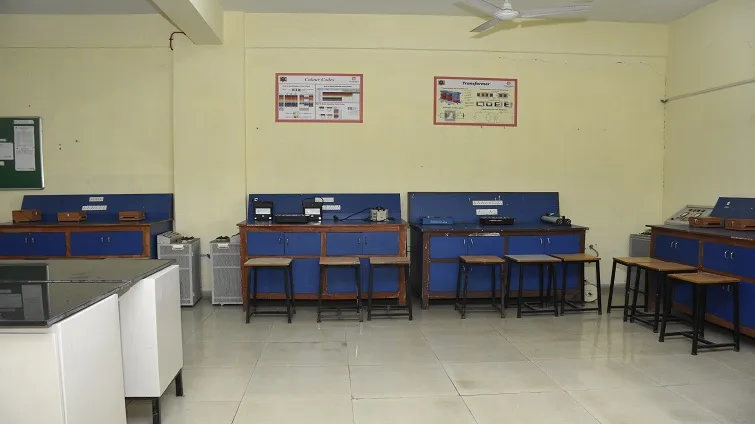
Basic Electrical Engg. Lab
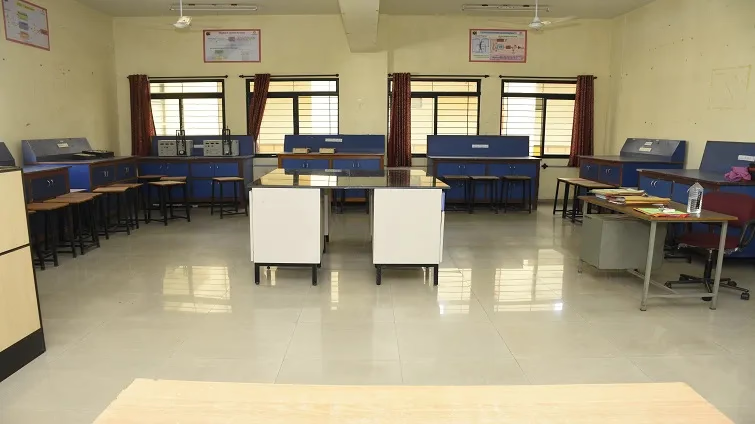
Control System Lab
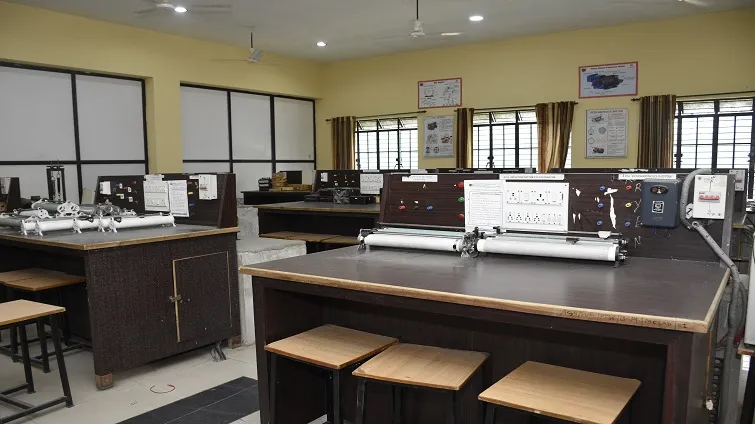
Electrical Machine Lab
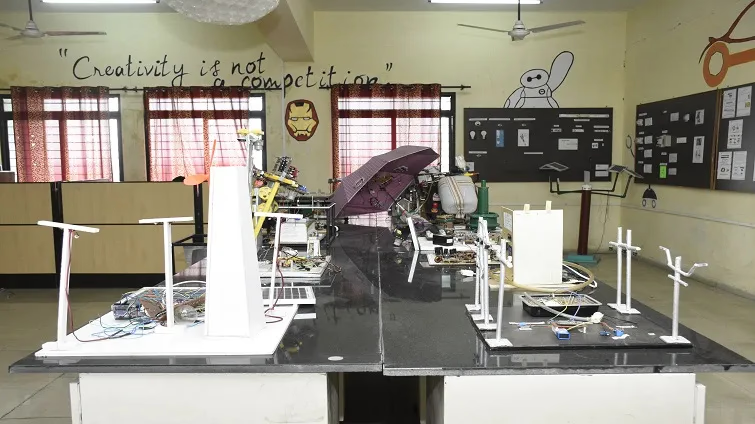
Hardware Lab
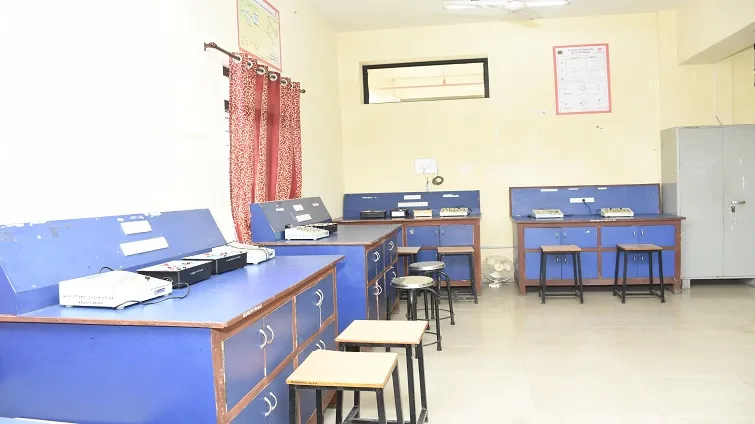
Network Analysis Lab
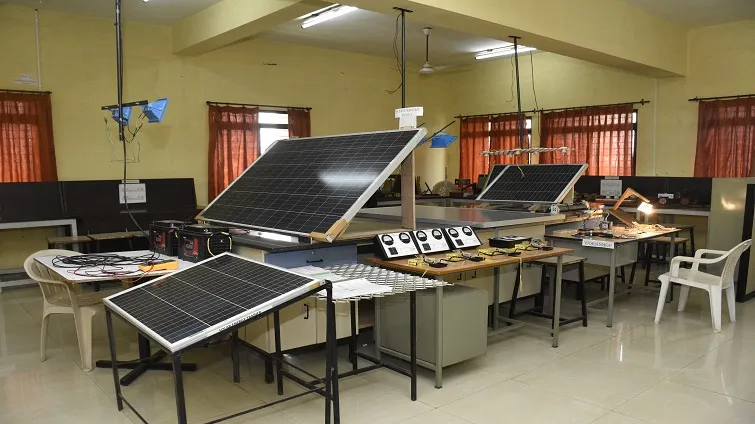
Solar Lab
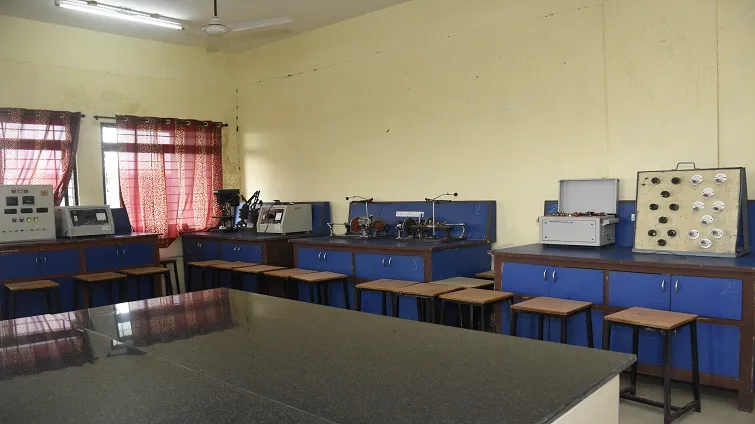
Switchgear and Protection Lab
Academics & Department
Faculty List
Faculty Achievements
Student Achievements
Academic Calendar
Newsletter And Magazines
E-Content

AICTE Sanctioned Modrob
- Title: Modernization of Deep Learning Laboratory
- Name of Coordinator: Ms. Ranjana Shende
- Name of Co-Coordinator: Ms. Minakshee Chandankhede
- Duration of the Project: 2 Yrs
Departmental Activities
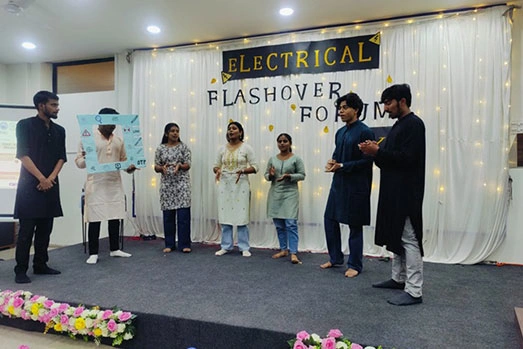
"Skit on Cyber Safety" by Drama Club
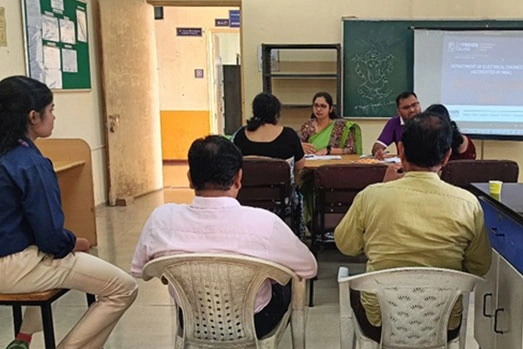
Parents Teacher Meet
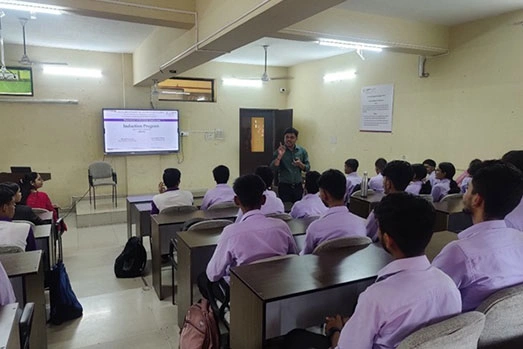
Skill Training Program on PLC and SCADA
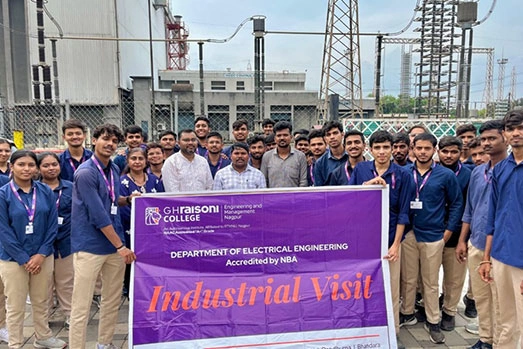
Visit to 500 kV HVDC Substation, Chandrapur
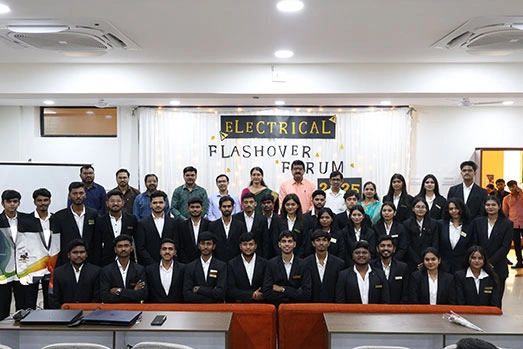
"Flashover" Forum Installation
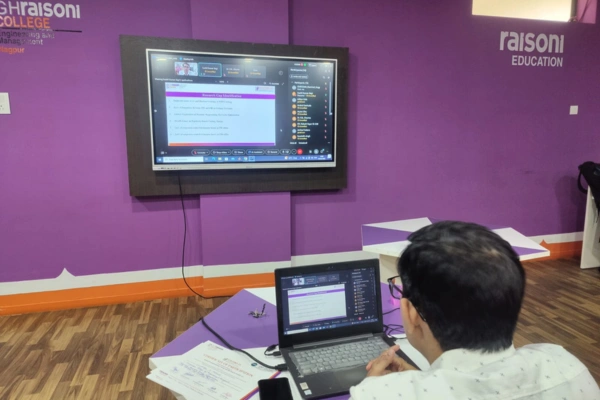
Electrical Engg. at ICACEBD-2025
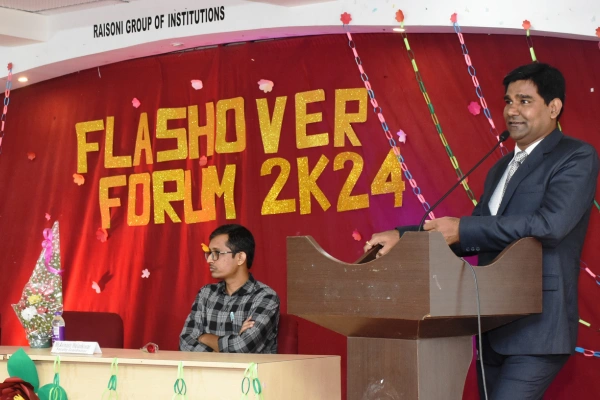
Clash of Mind
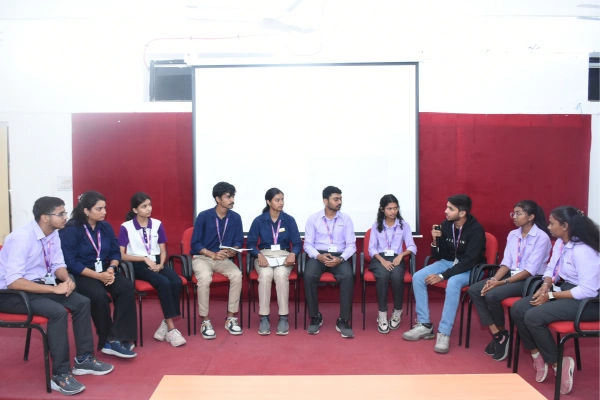
Installation of Flashover Forum and Dept. Clubs
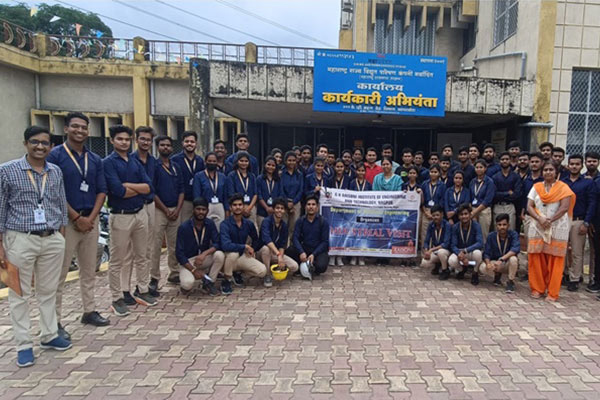
Visit of 7th Sem Students to 400 kV substation at Khaparkheda
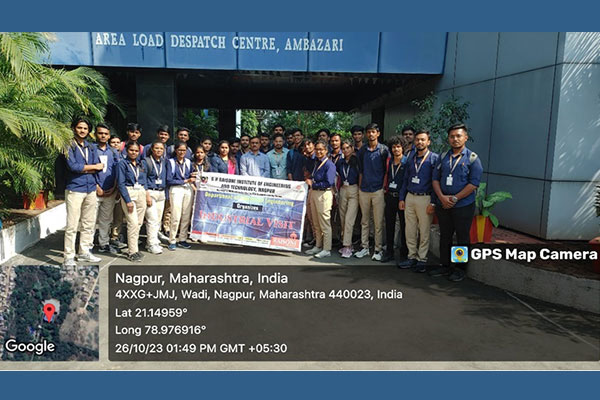
Visit of 7th Sem Students to ALDC Ambazari
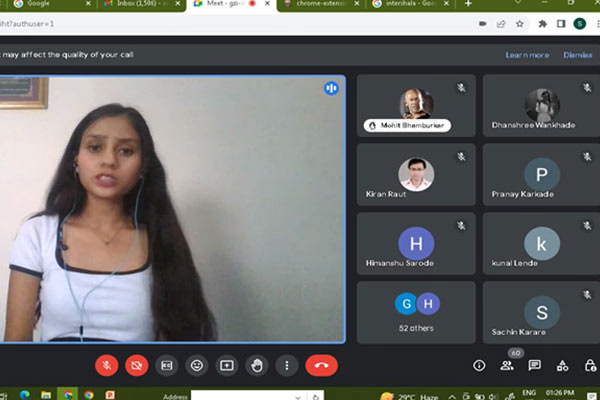
Alumni Interaction by Ms.Disha Raut
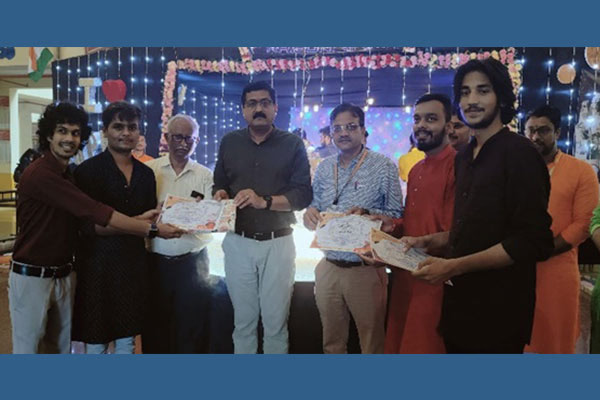
"Dumsheraj" – Activity by Drama Club
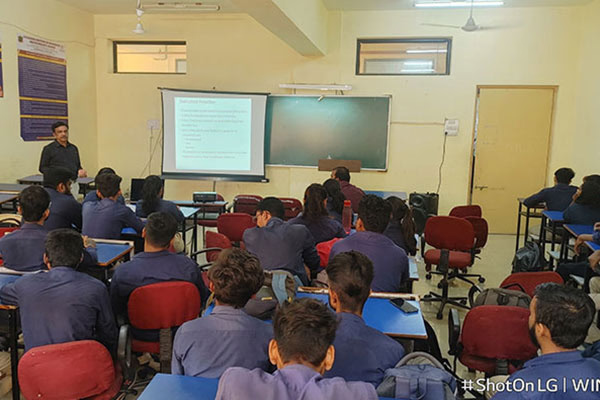
Guest Lecture by Dr.N.D.Ghavghave, GCOE, Nagpur
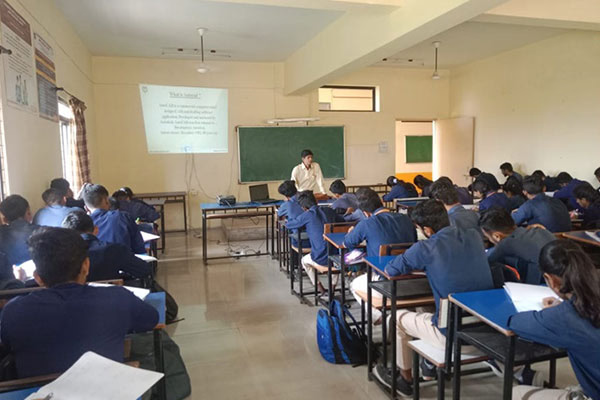
Expert Lecture On Autocad Electrical
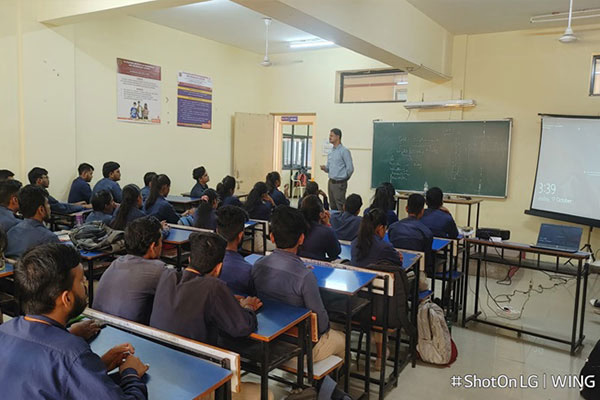
Expert Lecture On PLC and SCADA
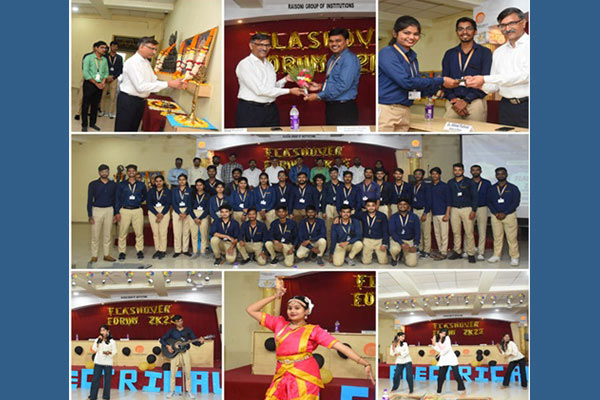
Flashover Forum Installation
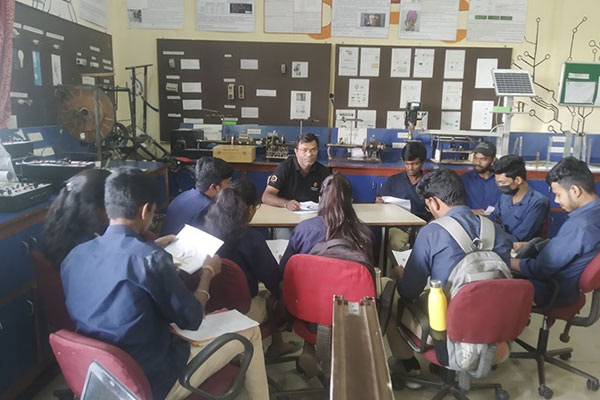
Logo and Tagline designing competition under ELC Club
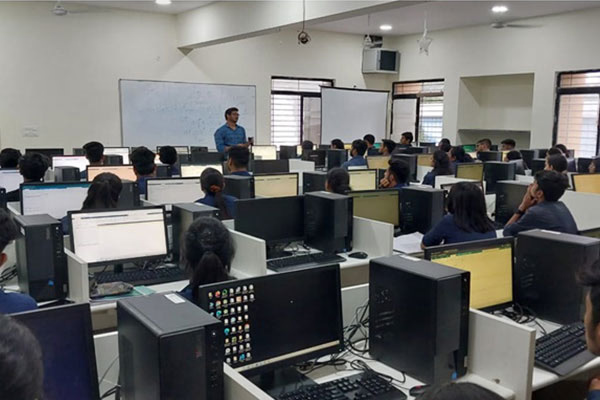
Skill Training Program on "MATLAB Fundamentals and Optimization problems programming techniques"
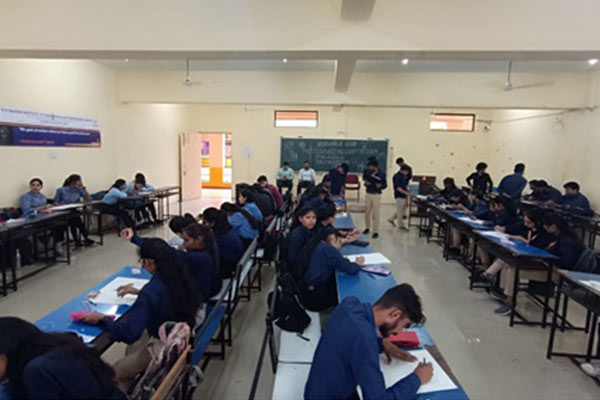
Poster Making Competition under Renewable Club
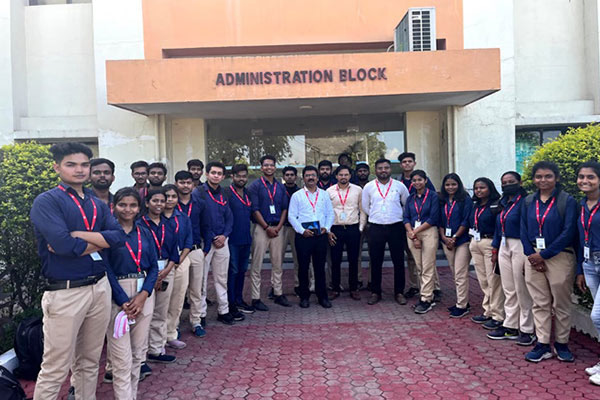
Suguna industries Visit
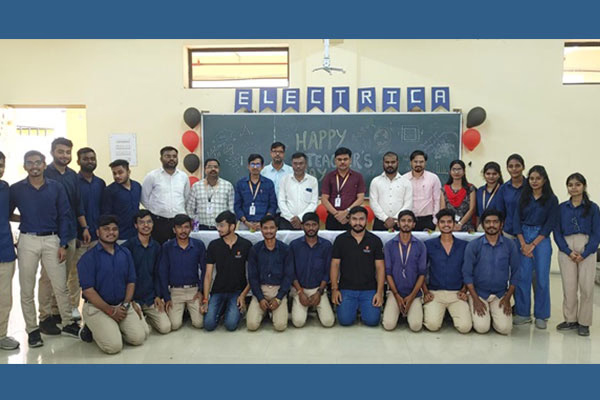
Teachers Day Celebration
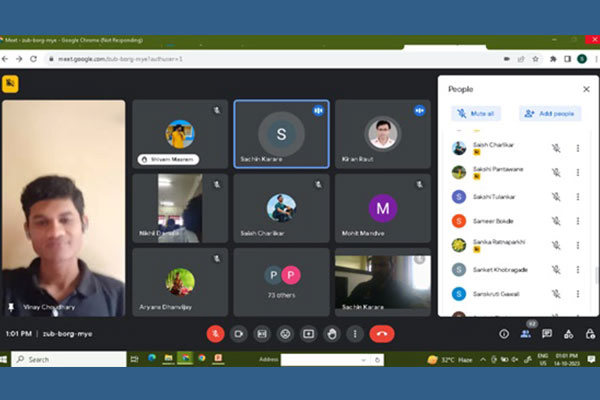
Alumni Interaction by Mr.Vinay Choudhary
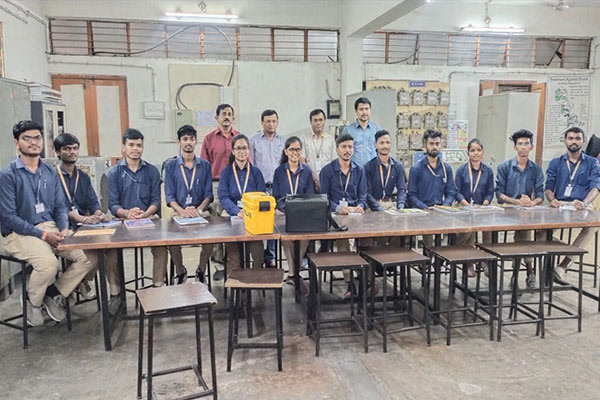
Visit to YCCE for Audit equipment under ELC Club
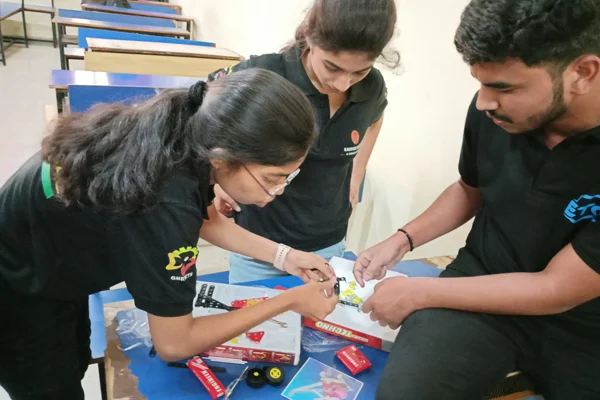
Anatarani
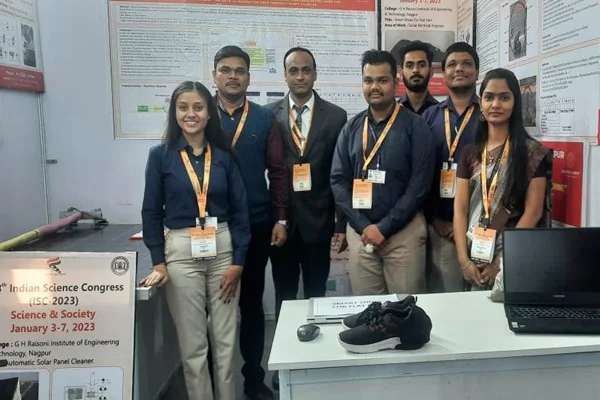
Student Participant
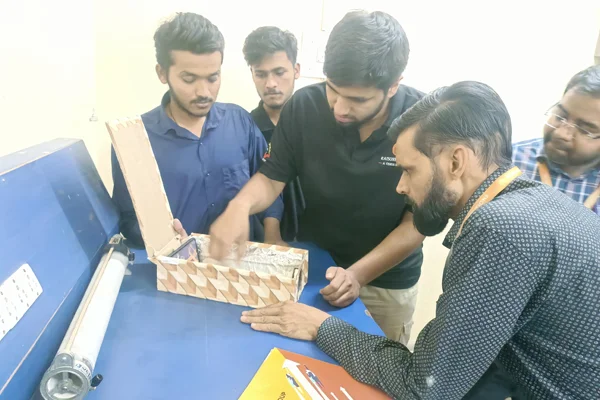
Project Competition
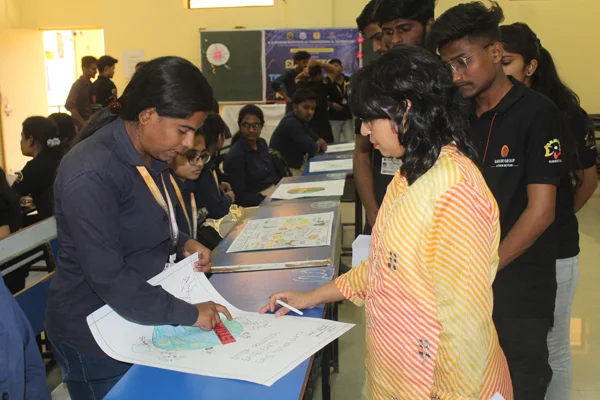
Poster Competition
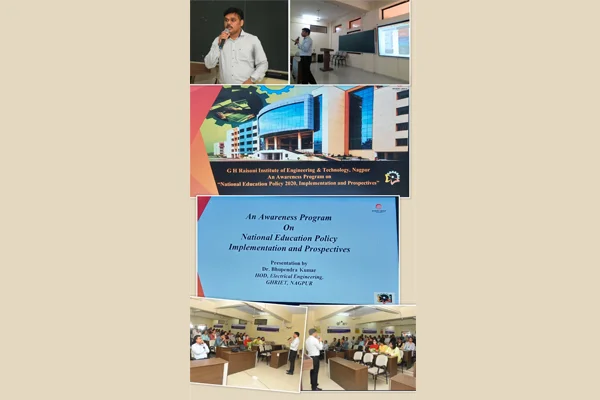
NEP Awareness
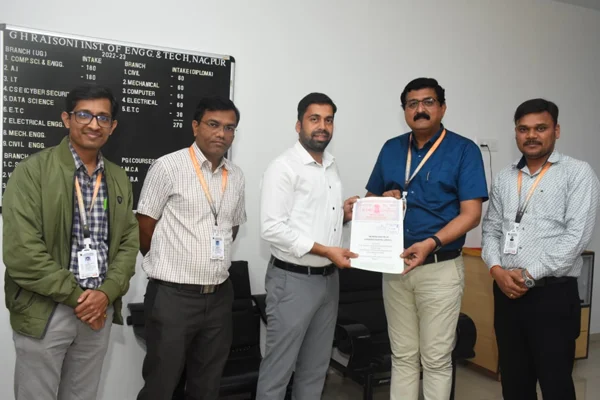
MOU
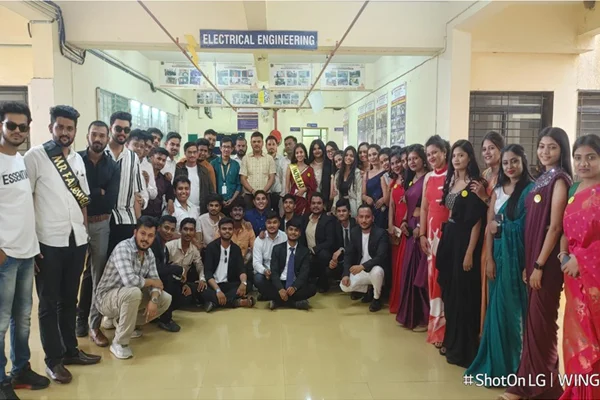
Final Year Farewell
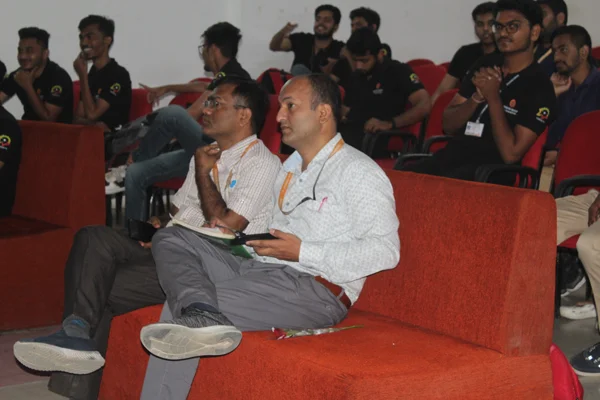
Eyespot Competition
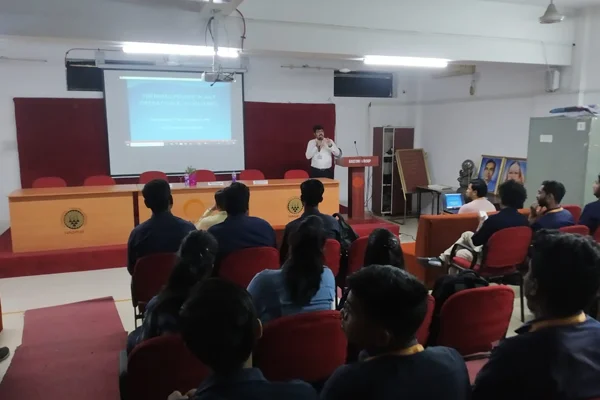
Expert Lecture
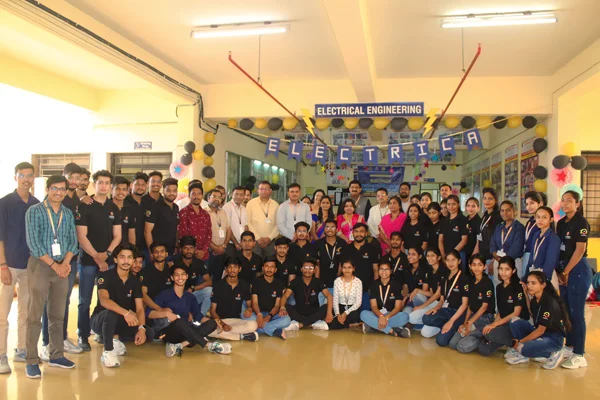
Electrical 2k23
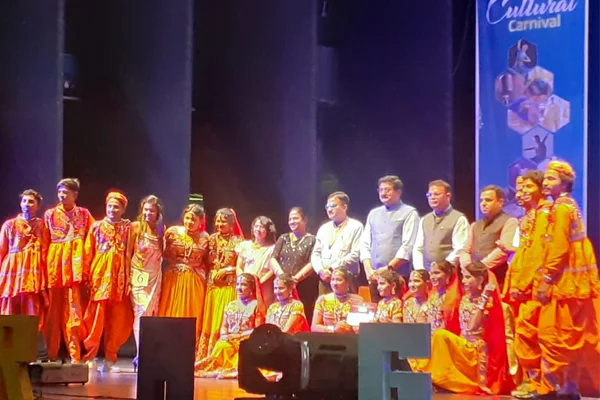
Antarangi
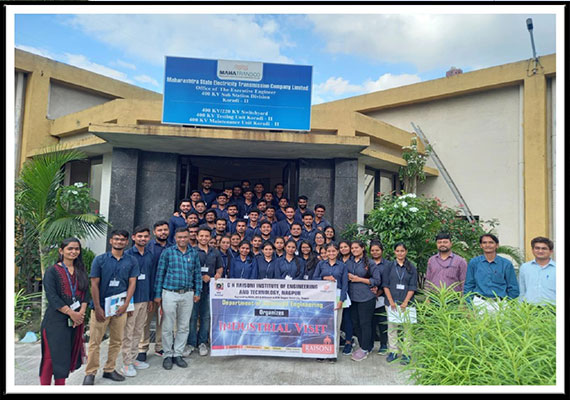
Visit to Koradi
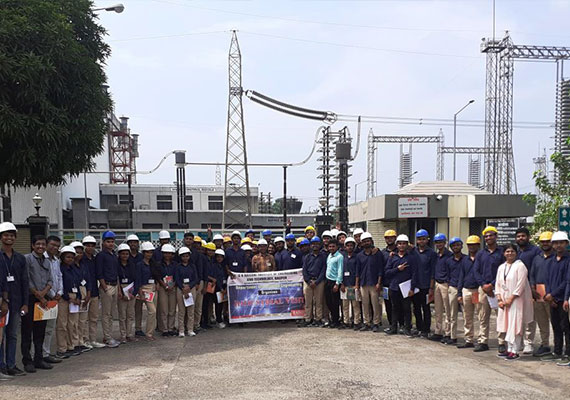
Visit to HVDC Substation
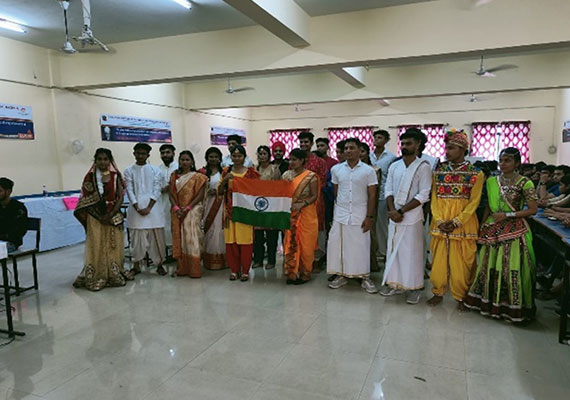
Subrang Drama Club Activity
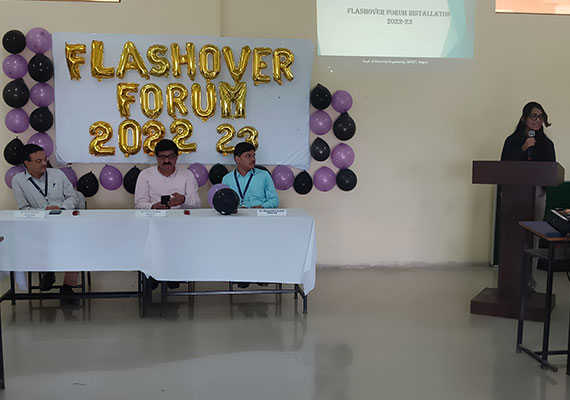
Flash over Installation
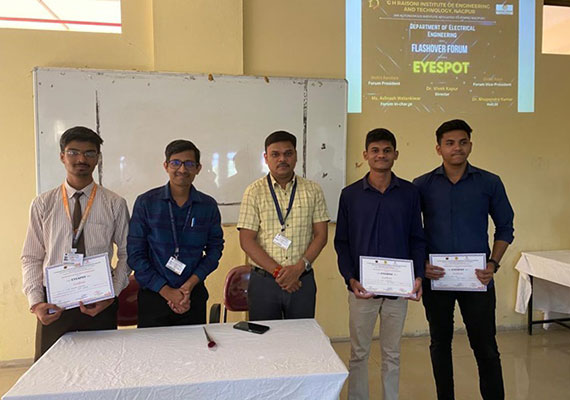
EYESPOT under Flashover Forum
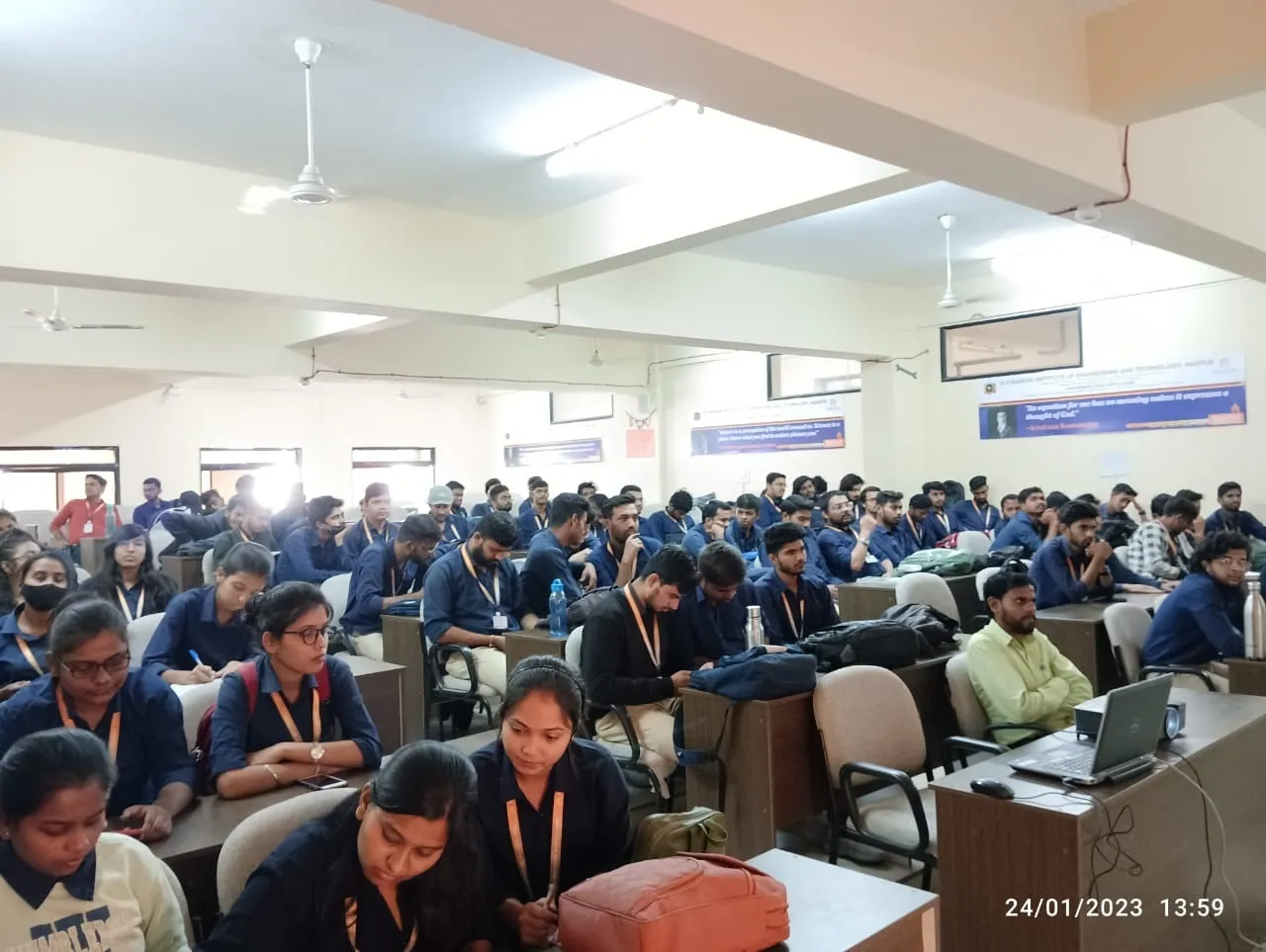
Expert Lecture on Power Electronics
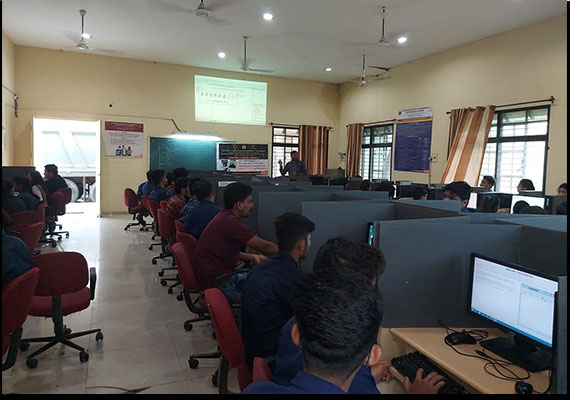
Workshop on MATLAB & Simulink July
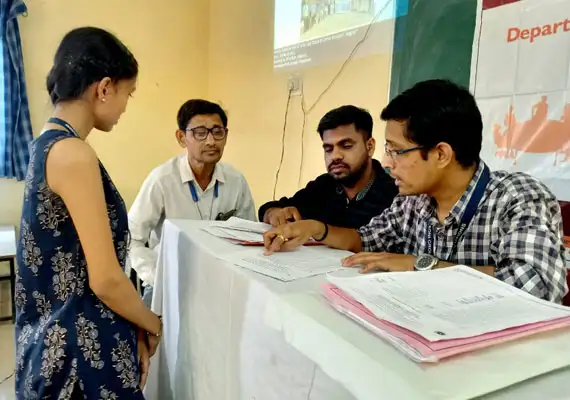
Parent Teacher Meet
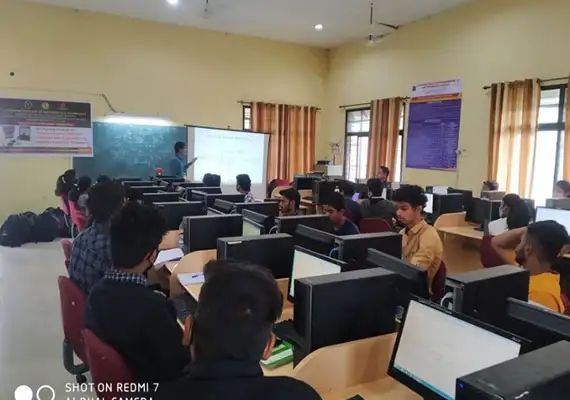
Matlab Workshop
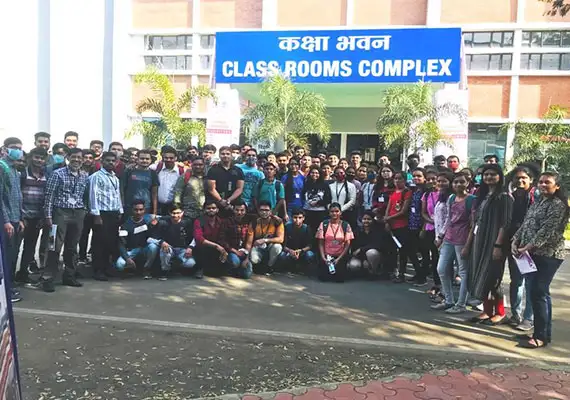
Science Exhibition Visit
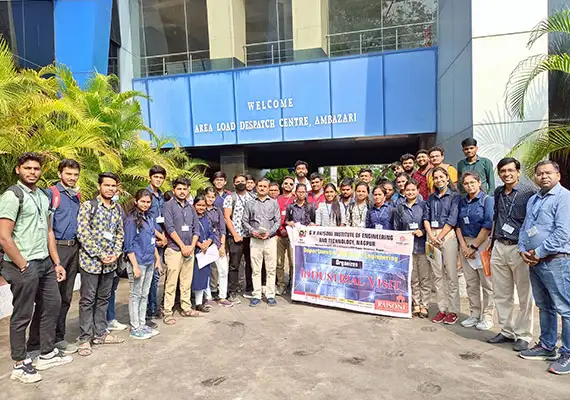
Industrial Visit
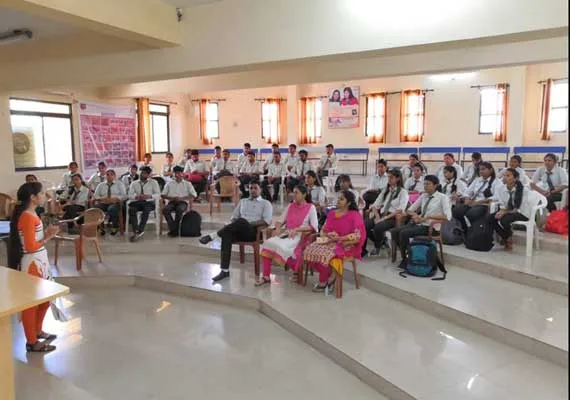
Alumni interaction
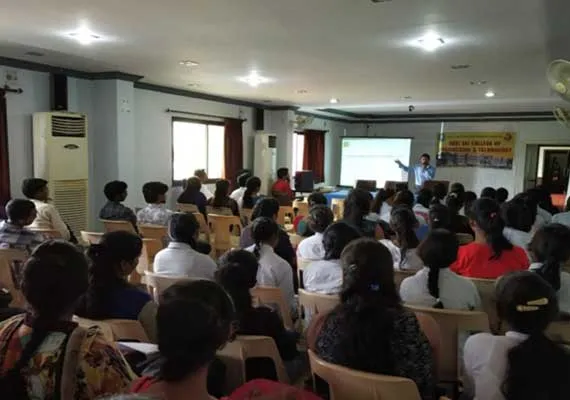
Faculty delivered lecture at SSCET, Bhadravati
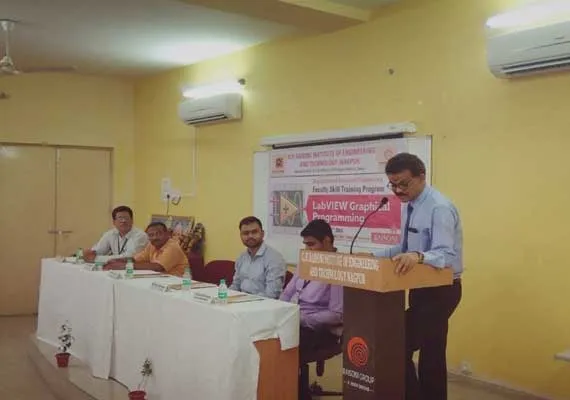
Faculty skill development program on LABVIEW GRAPHICAL PROGRAMMING 2
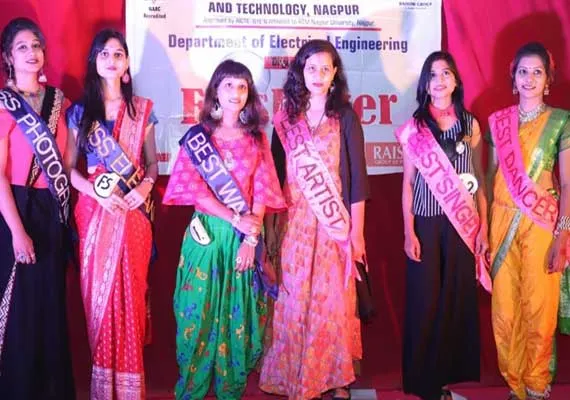
Flashover Competition
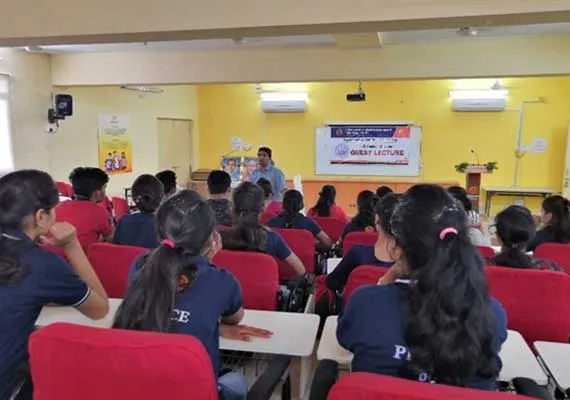
Guest lecture on OPERATION OF POWER PLANT
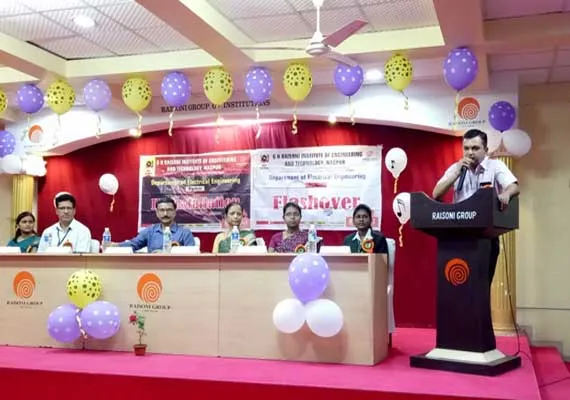
IEI student chapter
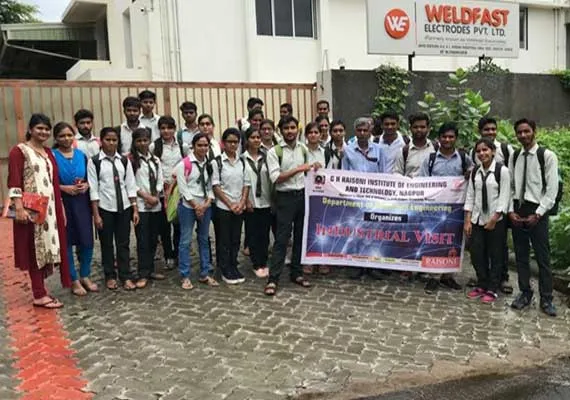
Industrial visit
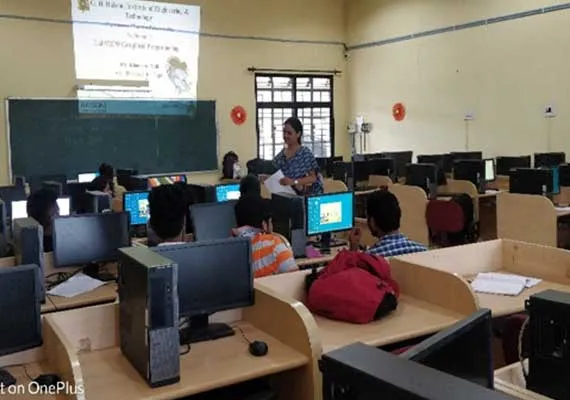
Workshop on LABVIEW programming under BSS
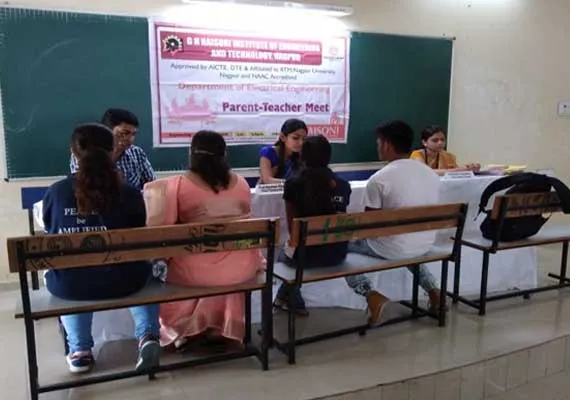
Parent Teacher Meeting
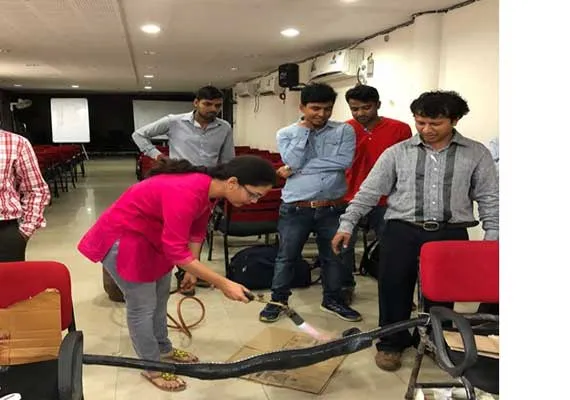
workshop on power cables and cable joining
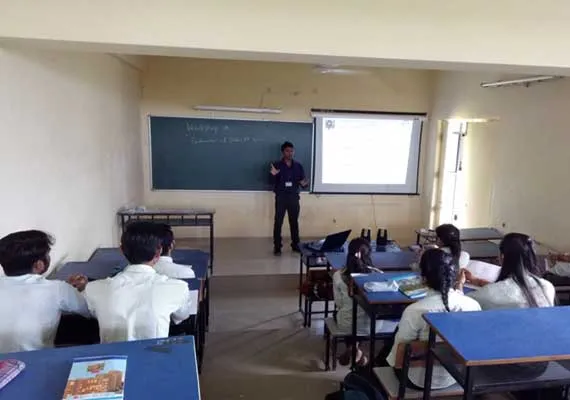
Workshop on solar PV technology
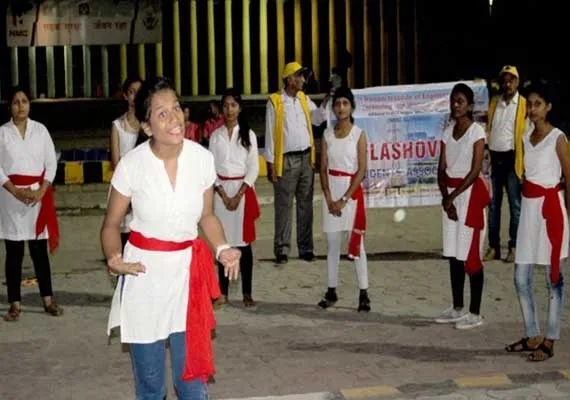
Street Play under LIONS CLUB
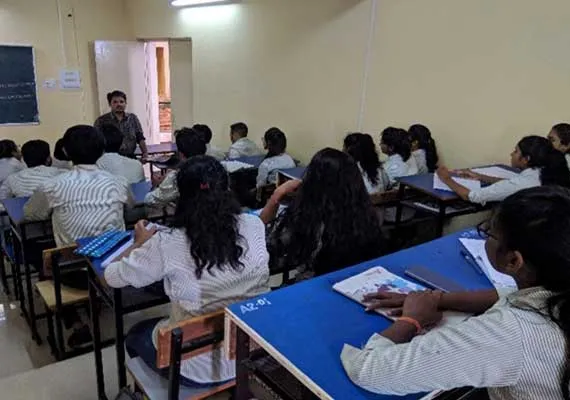
Student Counsellor class on stress Management
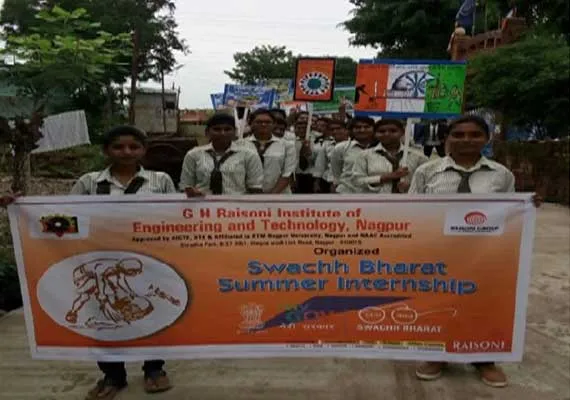
Swatch Bharat Camp